

The Hidden Risks of Classic Car Towing and How to Avoid Them

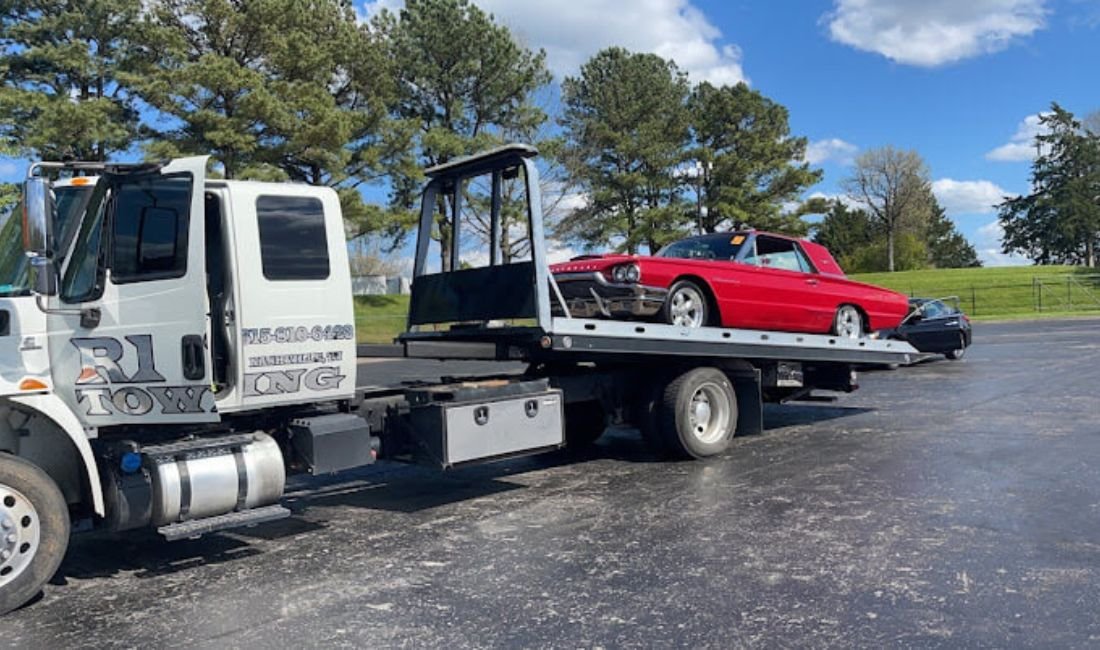
Moving a classic car should be straightforward, but owners who treat it like any other tow job regularly discover the hard way that it is not. Classic cars carry vulnerabilities that modern vehicles simply do not have: fragile chrome trim, aged rubber fuel lines, original bodywork, and drivetrains that can self-destruct within a few miles if the wrong towing method is used. Getting this right protects both the vehicle and its value.
A poorly executed tow can do more damage than years of driving. Stripped chrome, bent suspension components, scratched paint, and burned-out transmissions are common outcomes when the person doing the tow does not understand what they are working with. The good news is that all of it is avoidable once you know the specific risks and how each one works.
A Brief History of Classic Car Transport
For most of automotive history, moving a broken-down vehicle meant hooking chains to the bumper and dragging it down the road. That method was acceptable when bumpers were genuine steel structural components built to handle the load. From the 1930s through the 1960s, chrome-plated steel bumpers on cars like the Ford F-Series trucks, Chevrolet Bel Air, and Cadillac Eldorado were genuinely robust, designed to absorb impact. Towing with chains and hooks was rough but workable.
The shift began in the 1970s when manufacturers started reducing bumper weight and strength to meet fuel economy standards, and it accelerated through the 1980s as plastic and rubber replaced steel in many exterior components. By the time the flatbed tow truck became standard equipment in the 1990s, the towing industry had largely caught up with the vulnerability of modern vehicles. But for vintage cars sitting in garages between car shows, many owners never got the memo about updated methods.
Today, a 1965 Mustang or a 1970 Chevelle heading to a restoration shop deserves a completely different approach from the one used to tow a 2020 sedan off the highway. The equipment, the attachment points, the speed, and the preparation all need to account for a vehicle that was not designed with modern towing methods in mind.
Understanding the Core Risks
Drivetrain and Transmission Damage
The single most expensive mistake you can make when classic car towing is letting the drive wheels spin on the ground while the engine is off. Automatic transmissions rely on hydraulic pressure generated by a pump that only runs when the engine is running. When the wheels turn and the driveshaft rotates without the engine on, the mainshaft inside the transmission spins without lubrication, and it can fail within just a few miles. That failure typically costs $1,500 to $4,000 to repair.
For rear-wheel-drive classics with automatic transmissions which describes the vast majority of American muscle cars towing with the rear wheels on the ground requires disconnecting the driveshaft first. A tow operator drops the driveshaft by removing the universal joint, lowers the driveshaft to the ground gently, replaces the bolts, and stores it inside the vehicle. Manual transmissions are safer with the car in neutral and the driveshaft disconnected, but they still carry risk on long flat tows. The cleanest solution for any classic car is a flatbed, which keeps all four wheels off the ground entirely and eliminates drivetrain stress.
Chrome and Bodywork Damage
Classic cars were built with thinner metal gauges than modern vehicles, and decades of age make them more susceptible to denting and scratching. Chains running directly against frame rails, bumpers, or bodywork will leave marks. Even one careless contact between a hook and a quarter panel can cost $500 to $2,000 in bodywork, depending on the severity and whether matching paint is available.
Soft polyester webbing straps are the correct choice for securing classic cars on a trailer. These straps, with working load limits around 3,333 lbs each and 12,000-lb capacity webbing, are wide enough to distribute pressure and soft enough not to abrade painted surfaces or chrome. Using a four-point tie-down system — one strap per wheel or per tie-down point keeps the car secure without putting stress on suspension components. Chains can still be used as secondary safety connections, but should never contact the car’s exterior directly.
Aged Fuel System Risks
This is the risk most towing guides skip completely. Classic cars running original or aging rubber fuel lines carry a genuine fire hazard during transport. Rubber fuel hoses deteriorate from the inside out through contact with gasoline, heat exposure, and ethanol blends in modern fuel. A hose that has been sitting in a stored classic for a year or two may look intact on the outside while being cracked and brittle internally. The vibration of a trailer — especially over rough roads or highway expansion joints — can cause a compromised hose to fail during transport.
Modern gasoline with ethanol content accelerates rubber degradation in hoses made from older nitrile compounds. Rubber fuel lines on a classic have a practical service life of about ten years, and anything beyond that is genuinely risky. Before any long-distance classic car towing, inspect every fuel hose for softness, swelling, cracking, or fuel smell. Better still, drain the fuel tank to the lowest safe level before loading. Less fuel means less fire risk if something goes wrong in transit.
Steering Lock and Loading Hazards
Many classic cars lack a factory steering lock, so when loaded onto a flatbed with the front wheels free to pivot, the steering can wander during transport. The car can shift its weight to one side of the trailer, which changes the trailer’s balance and creates handling problems for the tow vehicle. Loading the classic with the front wheels chocked and the steering wheel secured with a lasso strap or tie through the wheel eliminates this issue.
Ground clearance creates its own problem during loading. Classic cars from the 1960s and 1970s often have lower ride heights and longer front overhangs than modern vehicles. Loading on a shallow-angled ramp is fine, but a steep flatbed ramp angle can drag the nose of the car on the ramp surface before the front wheels reach the deck. A tow operator experienced with classic cars knows to account for this; a general roadside service driver may not.
Towing Methods: What Works and What Damages
Flatbed Towing
A flatbed keeps all four wheels off the ground, eliminating every drivetrain risk and most of the loading damage risks. The hydraulic tilting bed lowers enough for the car to drive or roll on, and once on deck, the car is secured with wheel straps or chocks. Flatbed towing costs $100 to $200 as a base fee plus $4 to $6 per mile, which is 50 to 70 percent more than wheel-lift towing, but that premium is the correct choice for any classic car of meaningful value.
Tow Dolly
A tow dolly lifts two wheels off the ground while the other two roll on the road. For a front-wheel-drive classic, which is uncommon but not unheard of in European cars from the 1960s a dolly lifts the front wheels correctly. For a rear-wheel-drive classic, the dolly needs to lift the rear wheels to keep the drive axle off the ground. Getting this backwards destroys the transmission. Dollies also put stress on the suspension of the wheels left on the ground during long-distance travel, which is not ideal for suspension components that are already 40 to 60 years old.
Flat Towing (Four Wheels Down)
Flat towing with all four wheels on the ground is only safe for specific manual-transmission vehicles, and even then only after disconnecting the driveshaft. For any classic car with an automatic transmission, flat towing without driveshaft disconnection risks catastrophic transmission failure. The transmission damage happens fast — some sources indicate failure can occur within just a few miles of towing this way. Skip this method for any automatic-equipped classic.
Hook and Chain
Hook and chain towing was standard practice for decades and is still the method many roadside tow trucks default to because it is fast and requires minimal setup. For a classic car, it is a bad choice. The chains contact the frame, bumper, or chassis directly, and the metal-on-metal contact scratches, dents, or deforms any surface it touches. Even for a short emergency tow, push for a flatbed or, at minimum negotiate soft strap use around the frame rails.
Towing Method Comparison
| Method | All Wheels Off Ground | Drivetrain Risk | Damage Risk | Best For |
|---|---|---|---|---|
| Flatbed | Yes | None | Very Low | All classic cars |
| Tow Dolly (rear lift, RWD) | Partial | Low | Moderate | RWD classics, short distances |
| Tow Dolly (wrong config) | Partial | Very High | Moderate | Never |
| Flat Tow (manual, driveshaft disconnected) | No | Low | Low | Manual classics only |
| Flat Tow (automatic) | No | Extremely High | Low | Never |
| Hook and Chain | No | High | Very High | Never for classics |
Specs and Equipment: What You Need
Trailer Weight Requirements
Most American classic cars weigh between 3,200 and 4,500 lbs. A 1969 Camaro SS weighs approximately 3,200 lbs. A 1970 Chevelle SS 454 weighs around 3,835 lbs. A 1966 Lincoln Continental tips the scales at over 5,000 lbs. Knowing your car’s weight matters because your trailer, hitch, and tow vehicle all need to be rated above that number with margin.
| Classic Car | Approximate Weight | Trailer Minimum Rating |
|---|---|---|
| 1965 Ford Mustang coupe | ~2,800 lbs | 5,000 lbs |
| 1969 Chevrolet Camaro SS | ~3,200 lbs | 5,500 lbs |
| 1970 Chevelle SS 454 | ~3,835 lbs | 6,500 lbs |
| 1967 Pontiac GTO | ~3,500 lbs | 6,000 lbs |
| 1966 Lincoln Continental | ~5,100 lbs | 8,000 lbs |
| 1957 Chevrolet Bel Air | ~3,200 lbs | 5,500 lbs |
Hitch Classes
A Class III hitch handles up to 6,000 lbs gross trailer weight in weight-carrying mode and 10,000 lbs in weight-distributing mode, with a 1,000-lb tongue weight limit in the latter configuration. That covers most classic car trailers loaded with a single vehicle. A Class IV hitch goes up to 14,000 lbs in weight-distributing mode and handles heavier classics or enclosed trailers that add 2,000 to 4,000 lbs of their own weight.
Tie-Down Strap Specifications
| Strap Type | Working Load Limit | Best Use |
|---|---|---|
| 2″ lasso wheel strap with ratchet | 3,333 lbs | Wheel tie-down, standard |
| 2″ axle strap with Cordura sleeve | 3,333 lbs | Around axles, painted surfaces |
| 3″ flatbed ratchet strap | 5,400 lbs | Over-the-wheel on heavier cars |
| Grade 7 safety chain | 6,600–11,250 lbs | Secondary safety retention only |
Four wheel straps at 3,333 lbs each provide 13,332 lbs of total combined working load — well above even the heaviest classic car. The straps should never touch painted bodywork, chrome, or glass; route them around the wheels or axles instead.
Open vs. Enclosed Transport
An open trailer gets the car there fine for short runs and mild weather, but it exposes the car to road debris, insects, moisture, and UV. A single rock chip on an original paint finish or a restored lacquer paint job is worth hundreds to thousands of dollars to repair. Enclosed transport costs 30 to 60 percent more than open transport, but for any classic car worth over $20,000, the math favors enclosed.
Enclosed trailers typically carry two to six vehicles and include hydraulic lifts for loading low-clearance cars, built-in wheel chocks, and locking doors that prevent tampering during overnight stops. For cross-country transport or any route with significant weather exposure, enclosed is the practical standard.
Towing Costs: What to Budget
| Transport Type | Base Fee | Per Mile | 100-Mile Total | 500-Mile Total |
|---|---|---|---|---|
| Standard flatbed (roadside) | $100–$200 | $4–$6 | $500–$800 | $2,100–$3,200 |
| Classic car open transport | $150–$250 | $1–$2 | $250–$450 | $650–$1,250 |
| Classic car enclosed transport | $250–$400 | $1.50–$3 | $400–$700 | $1,000–$1,900 |
| Flatbed (after-hours/weekend) | Add $25–$100 surcharge | Same | Higher | Higher |
For distances over 100 miles, a dedicated vehicle transport carrier typically costs less per mile than a local flatbed tow truck. The per-mile rate on long-distance transport sometimes drops to $0.40 to $1 for routes over 500 miles because the carrier shares costs across multiple vehicles.
Ownership and Maintenance Costs Related to Towing Damage
One of the most practical reasons to get classic car towing right the first time is the repair cost when it goes wrong. These numbers reflect 2025 market rates.
| Damage Type | Repair Cost Range | Notes |
|---|---|---|
| Automatic transmission rebuild (RWD classic) | $1,500–$4,000 | Higher if parts are hard to source |
| Driveshaft replacement | $300–$800 | Original shafts may require machining |
| Chrome bumper re-plating | $800–$2,500 | Per bumper, includes stripping and re-chrome |
| Bodywork panel repair | $500–$2,000 | Per panel, original paint matching adds cost |
| Fuel line replacement (full system) | $200–$600 | Labor-intensive on original factory routing |
| Suspension component (bent A-arm, tie rod) | $400–$1,200 | OEM parts command a premium |
Insurance matters here too. A standard auto insurance policy pays actual cash value minus depreciation in a total loss, which could leave you receiving $5,000 on a classic car worth $50,000. An agreed value classic car policy locks in a pre-negotiated payout with no depreciation deduction. Annual premiums typically run $200 to $600, and most specialized classic car policies include flatbed towing coverage as a standard benefit. Some include inflation guard endorsements that increase the agreed value by 3 to 5 percent annually.
Pre-Transport Inspection Checklist
Before any classic car towing, run through these steps:
- Fuel system: Inspect all rubber fuel hoses for softness, cracking, swelling, or fuel smell. Drain the tank to the lowest level practical for the trip.
- Battery: Disconnect the negative terminal to prevent electrical shorts during transport. This also prevents parasitic drain on long hauls.
- Steering: Secure the steering wheel with a tie or lasso strap so the front wheels do not pivot during transport.
- Transmission: Verify the car is in neutral (manual) or confirm the driveshaft is disconnected before any dolly or flat tow setup.
- Parking brake: Release it before loading so the tow operator can position the car correctly.
- Loose items: Remove any items from the cabin or trunk that could shift during transport.
- Documentation: Photograph the car thoroughly from all angles before loading. This gives you a baseline record if a damage dispute comes up after delivery.
- Tie-down points: Know where the factory tie-down locations are on your specific car before the operator starts attaching straps. Many classic frames have reinforced oval holes designed for this purpose.
Driving Safely While Towing a Classic Car
If you are moving the car yourself on a trailer rather than using a carrier, a few driving habits matter. Keep your speed between 55 and 65 mph. Trailer sway events typically initiate above 60 to 65 mph, especially with a bumper-pull trailer that is improperly loaded. Some states impose a 55 mph towing speed limit for trailers regardless of the posted highway speed.
Load 60 percent of the trailer’s cargo weight forward of the axle and 40 percent behind it. For a single classic car, this means positioning the car so its heavier front end sits over the front half of the trailer deck. An improperly balanced trailer creates a rear-heavy setup that causes oscillation — the beginning of trailer sway — and can pull the tow vehicle off the road.
Add a weight distribution hitch if your trailer weight exceeds 50 percent of your tow vehicle’s gross vehicle weight rating, or any time the rear of your tow vehicle visibly sags when the trailer is hooked up. Weight distribution hitches use spring bars to redistribute tongue weight to the front axle and trailer axles, improving steering feel and braking performance significantly.
FAQ
Can you flat tow a classic car with an automatic transmission?
No. Flat towing any automatic transmission vehicle with the drive wheels on the ground is extremely risky without first disconnecting the driveshaft. An automatic transmission only lubricates itself when the engine is running and the pump is generating hydraulic pressure. When the drive wheels spin on the road without the engine running, the mainshaft inside the transmission rotates dry, which causes rapid wear and can destroy the transmission in just a few miles. If you need to flat tow an automatic-equipped classic, the driveshaft must be physically disconnected and stored inside the vehicle before the tow begins.
What is the safest way to tow a classic car?
A flatbed tow truck or enclosed flatbed trailer is the safest option by a wide margin. With all four wheels off the ground, there is zero stress on the drivetrain, no tire wear from the road surface, and the car is protected from debris, weather, and road contamination. The car loads via a hydraulic tilting ramp and is secured with wheel straps or chocks. For any classic car worth over $15,000, the cost difference between a flatbed and a cheaper towing method is trivial compared to potential repair costs.
Do I need a special insurance policy to cover my classic car during towing?
Yes, and it matters more than most owners realize. Standard auto insurance policies pay actual cash value at the time of a loss, which factors in depreciation. A 1969 Mustang Boss 429 that an insurer’s system values at $8,000 based on age-based depreciation may actually be worth $90,000 or more on the collector market. An agreed value classic car insurance policy locks in the vehicle’s true market value upfront, with no depreciation deduction on a total loss claim. Most specialized classic policies also include flatbed towing coverage and trip interruption reimbursement as standard benefits. Annual premiums range from roughly $200 to $600 for most collector vehicles.
How do I secure a classic car on a flatbed or trailer?
Use four 2-inch polyester wheel straps rated at 3,333 lbs working load limit each, positioned at the four tire contact points. Run the straps around the wheels or axles rather than against any painted or chrome surface. Supplement with wheel chocks front and rear to prevent rolling. Secure the steering wheel so the front wheels cannot pivot during transit. Never use bare chains directly against the car’s body, frame rails with exposed contact, or bumpers — chains scratch metal and can damage chrome.
What speed should I drive when towing a classic car on a trailer?
Keep towing speed between 55 and 65 mph. Most trailer and tire manufacturers cap their recommended maximum at 65 mph regardless of posted speed limits, and many states enforce a 55 mph towing speed limit. Trailer sway events — the oscillation that can cause a tow vehicle to lose control — become far more likely above 65 mph, particularly with bumper-pull trailers. Slow down on curves, maintain extra following distance for braking, and downshift on long descents rather than riding the brakes.
How do I find a tow operator who knows how to handle classic cars?
Ask specifically whether the company has experience transporting collector or classic vehicles before confirming the booking. A qualified operator will ask about the car’s drivetrain layout, ground clearance, and weight before selecting equipment — not after arriving. Confirm they carry a flatbed (not just a wheel-lift truck), that they use soft straps rather than chains, and that their insurance covers the full replacement value of the car during transport. If they cannot answer basic questions about drivetrain protection or strap placement, find a different company.
Conclusion
Classic car towing carries specific risks that standard towing procedures ignore or handle incorrectly. Transmission failure from improper towing method, chrome damage from chains, fuel system fires from deteriorated hoses, and underinsured losses are all preventable outcomes. The core principles are consistent: use a flatbed whenever possible, use soft straps on the wheels rather than chains on the body, inspect the fuel system before any long haul, disconnect the battery, and make sure your insurance policy reflects what the car is actually worth. Getting all four wheels off the ground on a flatbed costs more than a wheel-lift tow, but it eliminates every major mechanical risk at once. That trade-off is worth it for any classic car you care about.