
Ford v Ferrari Cars: A Complete Guide to the Famous Rivalry

Introduction
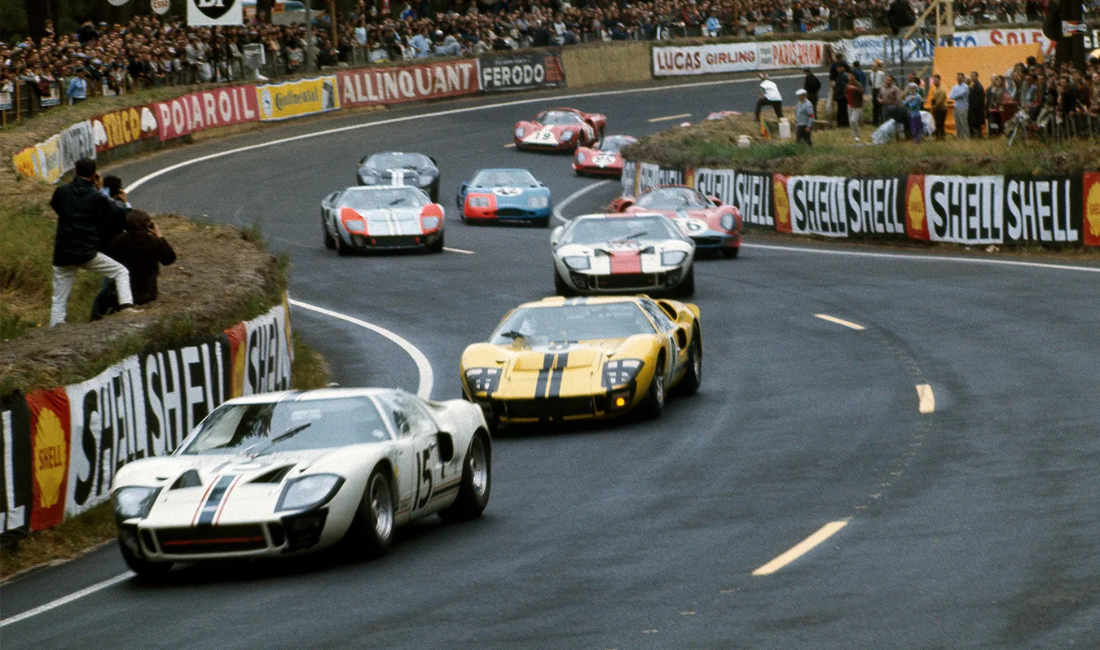
The phrase ford v ferrari cars usually refers to the machines that fueled one of motorsport’s most famous rivalries during the 1960s. Ford entered international endurance racing with a clear goal: defeat Ferrari at the 24 Hours of Le Mans after a failed attempt to purchase the Italian manufacturer. That decision led to the creation of the Ford GT40, a race car built specifically to challenge Ferrari’s dominance.
Ferrari arrived with years of racing experience, proven engineering, and successful endurance prototypes. Ford responded with massive investment, extensive testing, and support from some of the most talented engineers and drivers in motorsport. Their competition reshaped endurance racing and produced several of the most valuable and celebrated race cars ever built.
A Brief History
Ford’s effort began in 1963 when negotiations to acquire Ferrari collapsed. Company leadership then approved a racing program focused on winning Le Mans, a race Ferrari had dominated for years. Engineers worked with international partners to create a low-slung endurance racer that eventually became the GT40.
Ferrari continued refining its successful race cars, including the 330 P series. The rivalry reached its peak between 1964 and 1967, culminating in Ford’s historic Le Mans victories. Ford secured four consecutive overall wins from 1966 through 1969, ending Ferrari’s streak and establishing a new chapter in endurance racing history.
Key Generations
Ford GT40 Development
The GT40 evolved through several versions as Ford improved reliability and speed. Early cars struggled with durability, but continuous development transformed them into race winners capable of sustained high-speed performance over 24 hours.
Ferrari Endurance Racers
Ferrari competed with several models during the rivalry, including the 250 LM, 330 P2, 330 P3, and 330 P4. Each generation brought aerodynamic improvements, chassis refinements, and more powerful engines designed for endurance competition.
Generation Comparison
| Model | Production Period | Engine | Approx. Power | Notable Achievement |
|---|---|---|---|---|
| Ford GT40 Mk I | 1964-1969 | 4.7L V8 | 380 hp | Foundation of GT40 program |
| Ford GT40 Mk II | 1966 | 7.0L V8 | 485 hp | Le Mans winner 1966 |
| Ford GT40 Mk IV | 1967 | 7.0L V8 | 530 hp | Le Mans winner 1967 |
| Ferrari 250 LM | 1963-1965 | 3.3L V12 | 320 hp | Le Mans winner 1965 |
| Ferrari 330 P3 | 1966 | 4.0L V12 | 420 hp | Major GT40 rival |
| Ferrari 330 P4 | 1967 | 4.0L V12 | 450 hp | One of Ferrari’s most advanced racers |
What Made It Different
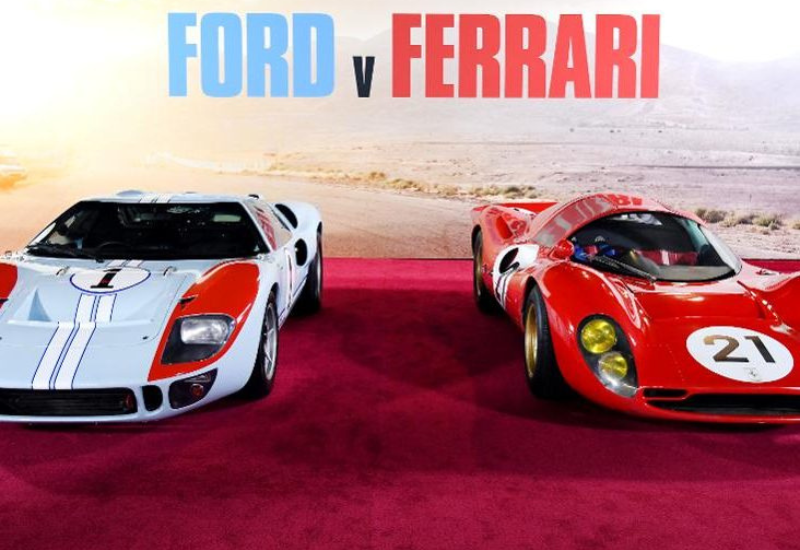
Ford approached racing with industrial-scale resources and extensive testing. Engineers focused heavily on reliability because endurance races reward durability as much as speed. The large-displacement American V8 engines delivered strong torque and impressive straight-line performance, especially on Le Mans’ long straights.
Ferrari emphasized lightweight construction, balanced handling, and high-revving V12 engines. Its cars often weighed less than comparable competitors and delivered excellent cornering characteristics. The contrast between American power and Italian precision helped define the rivalry and created a fascinating engineering battle.
Key Characteristics
Ford GT40
- Large-displacement V8 engines
- High top-speed capability
- Strong endurance reliability
- Extensive factory development
Ferrari Prototypes
- Naturally aspirated V12 engines
- Lightweight chassis designs
- Sharp handling response
- Proven racing heritage
Specs and Models
The most recognized vehicles associated with ford v ferrari cars combined advanced engineering with race-focused design. Although specifications changed throughout development, several models became benchmarks for endurance racing performance.
Specs and Engine Variants
| Model | Engine Configuration | Displacement | Power | Transmission |
|---|---|---|---|---|
| Ford GT40 Mk I | V8 | 4.7L | 380 hp | 5-speed manual |
| Ford GT40 Mk II | V8 | 7.0L | 485 hp | 4-speed manual |
| Ford GT40 Mk IV | V8 | 7.0L | 530 hp | 4-speed manual |
| Ferrari 250 LM | V12 | 3.3L | 320 hp | 5-speed manual |
| Ferrari 330 P3 | V12 | 4.0L | 420 hp | 5-speed manual |
| Ferrari 330 P4 | V12 | 4.0L | 450 hp | 5-speed manual |
What It Is Like to Drive
Driving a GT40 differs dramatically from driving a modern performance car. The seating position sits extremely low, visibility remains limited, and cabin temperatures often run high. Drivers experience strong acceleration from the large V8 engine and a mechanical driving feel that demands concentration.
Ferrari prototypes from the same era provide a different character. Their V12 engines deliver smooth power delivery and distinctive high-rpm performance. Steering feedback feels direct, and the lighter chassis creates agile responses, although both Ford and Ferrari race cars require significant skill compared with modern vehicles.
Owning One Today
Original race cars rarely enter the market, and collectors often treat them as investment-grade assets. Many examples reside in private collections, museums, or specialized historic racing programs. Authenticity, race history, and documented ownership records play a major role in determining value.
Owners must work with specialists familiar with vintage racing machinery. Parts availability varies significantly, and maintenance often involves custom fabrication or expert restoration work. Insurance, transportation, and secure storage add substantial annual costs beyond routine mechanical upkeep.
Ownership and Maintenance Costs
| Expense Category | Estimated Annual Cost Range |
|---|---|
| Storage and Preservation | $5,000 – $25,000+ |
| Insurance | $10,000 – $100,000+ |
| Specialist Maintenance | $15,000 – $150,000+ |
| Event Transportation | $2,000 – $30,000+ |
| Historic Racing Preparation | $20,000 – $250,000+ |
Market and Values
The collector market places enormous value on significant racing history. Cars directly connected to major victories often command prices far above standard collector vehicles. Provenance frequently matters more than cosmetic condition because buyers prioritize authenticity.
Among all ford v ferrari cars, race-winning examples rank among the most sought-after automobiles ever sold. Exceptional vehicles have achieved multi-million-dollar valuations, with documented competition history contributing heavily to final sale prices.
Market Values by Condition
| Condition | Typical Market Position |
|---|---|
| Concours Restoration | Highest value tier |
| Professionally Restored | Very high value |
| Original Preserved Example | Extremely desirable |
| Historic Race Ready | Premium collector value |
| Project or Incomplete Car | Lowest value tier |
FAQ
Why did Ford compete against Ferrari?
Ford wanted greater international motorsport recognition and sought success at Le Mans. After acquisition discussions ended unsuccessfully, Ford committed resources to building a car capable of defeating Ferrari. That decision led directly to the GT40 program and one of racing’s most famous rivalries.
Which car won Le Mans for Ford?
The Ford GT40 achieved Le Mans victories in multiple years. The GT40 Mk II secured the breakthrough win in 1966. Later GT40 variants continued Ford’s winning streak through 1969.
What Ferrari models raced against the GT40?
Ferrari fielded several endurance racers during the rivalry. The most notable included the 250 LM, 330 P2, 330 P3, and 330 P4. These cars represented Ferrari’s top-level sports prototype technology during the mid-1960s.
Are original GT40 race cars street legal?
Some GT40 road-going versions and continuation models can operate legally on public roads depending on local regulations. Original factory race cars often require modifications to meet road-use requirements. Many owners choose to preserve them for display or historic competition instead.
Why are these cars worth so much money?
Their historical significance drives demand among collectors. Limited production numbers, racing success, and documented ownership records increase value substantially. The connection to one of motorsport’s greatest rivalries further strengthens market interest.
Can people still race these vehicles today?
Yes, many historic racing events welcome properly prepared vintage race cars. Owners often participate in heritage motorsport festivals and endurance events. Specialists inspect and maintain these vehicles carefully to ensure safety and reliability.
Conclusion
The battle between Ford and Ferrari produced some of the most influential endurance race cars ever built. Ford’s GT40 program transformed a corporate challenge into four consecutive Le Mans victories, while Ferrari continued pushing advanced V12 engineering and lightweight design. Their rivalry delivered technological progress, unforgettable races, and collector cars that remain highly prized decades later. Today, these machines stand as enduring symbols of determination, engineering excellence, and competitive ambition in international motorsport.