



Fiat Jolly: The Rare Beach Car That Nobody Forgot

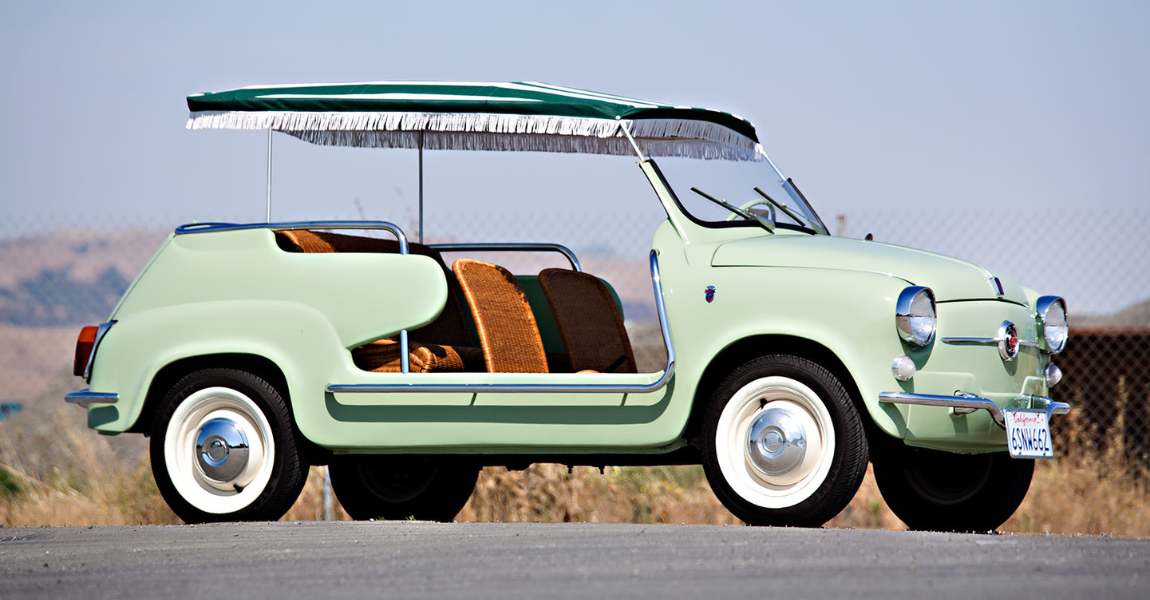
Most cars are built to go somewhere. The Fiat Jolly was built to stay somewhere, specifically somewhere with a beach, a yacht nearby, and no reason to be in a hurry. It is one of the smallest, most impractical, and most joyful vehicles ever produced, and it has become one of the most desirable collectibles in the world despite never being a serious car by any conventional measure. If you enjoy unusual cars like this, platforms such as Jalopnik regularly highlight rare and unconventional vehicles.
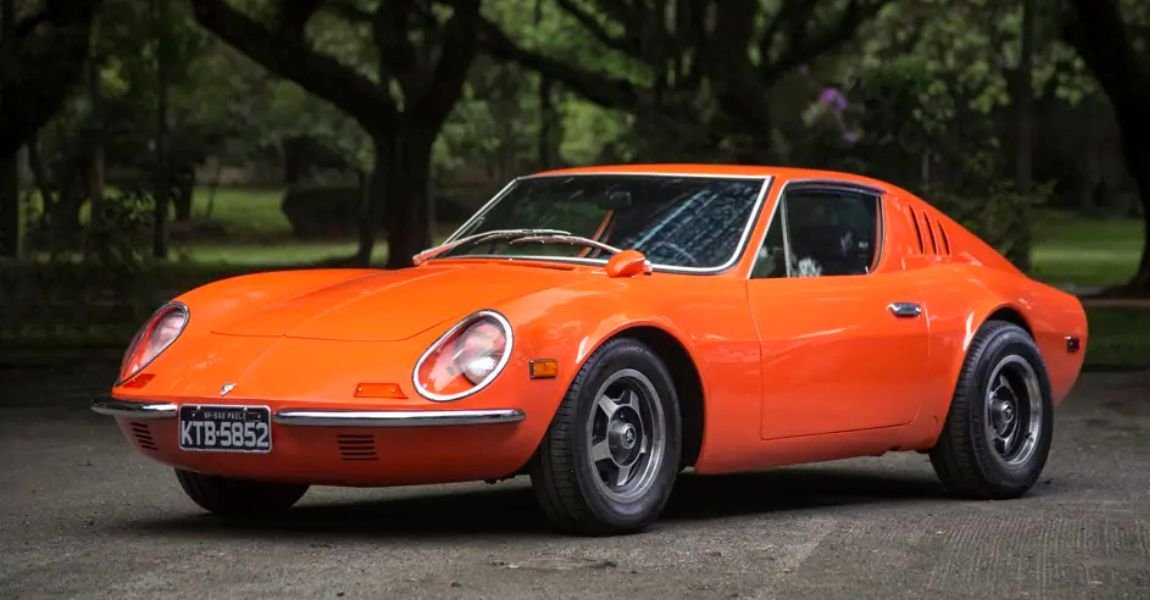
Fiat built the 500 and 600 as practical, affordable transport for postwar Italy. Carrozzeria Ghia took those same little cars, removed the roof, stripped the doors, fitted wicker seats and a fringe canopy on top, and created something that was less a vehicle and more a mood. This kind of creative coachbuilding is similar to rare models like the Volkswagen SP2 which also prioritized design over practicality.The Jolly found its way onto superyachts, private islands, and Mediterranean estates. Today a good example sells for more than most modern sports cars.
This is the full story of what it is, where it came from, and what it takes to own one.
Table of Contents
- A Brief History
- The Ghia Connection
- What Made It Different
- Specs and Variants
- The Two Base Platforms
- Key Variants
- What It Is Like to Drive
- Owning One Today
- What to check before buying
- Approximate Restoration and Ownership Costs
- Frequently Asked Questions
A Brief History
The story starts with the Fiat 500 and Fiat 600, These cars, like the later Saab 900 or the famously durable Volvo 240, gained cult followings for reasons far beyond their original purpose.Two small cars that Fiat produced in the late 1950s to meet the enormous demand for affordable personal transport in postwar Italy. The 500, introduced in 1957, was a tiny rear-engined city car. The 600, introduced in 1955, was marginally larger and slightly more powerful, but still firmly in the economy car category.
Carrozzeria Ghia, the coachbuilding firm based in Turin, saw something different in these platforms. Ghia had a long history of creating custom bodies on production car chassis, and in 1958 they began producing a beach car conversion on both the 500 and 600 that they called the Jolly.
The name fit perfectly. Jolly in Italian carries the same meaning it does in English, cheerful, carefree, light. The car embodied all of those things. It had no doors, no proper roof, wicker or rattan seats, and a fringed surrey canopy stretched over a tubular frame. It looked like something a cartoon character would drive to the seaside, and that was entirely the point.
Ghia produced the Jolly in relatively small numbers from 1958 through the mid-1960s. Exact production figures are difficult to confirm because Ghia’s records from this period are incomplete, but most historians estimate total production across both platforms at somewhere between 500 and 1,000 units. Nobody knows the precise number, which is part of what makes surviving examples so difficult to authenticate and value.
The Ghia Connection
Understanding the Jolly requires understanding what Carrozzeria Ghia was and who it served. Ghia was not a mass manufacturer.This approach stands in contrast to mass-market vehicles like the Kia Sonet, which are designed for global practicality rather than exclusivity.It was a coachbuilder, one of several prestigious Italian firms that created custom or limited-production bodies on production platforms for wealthy clients who wanted something beyond what the factory offered.
During the 1950s and 1960s, Ghia worked with Volkswagen, Chrysler, and various other manufacturers on concept cars and special productions. They also had a consistent clientele among Europe’s wealthy leisure class, the kind of people who owned villas on the Amalfi Coast, kept boats in Monte Carlo, and needed something to drive from the dock to the house without worrying too much about it.
Ghia built each Jolly essentially by hand. Workers took a standard Fiat 500 or 600, removed the roof structure and doors, reinforced the body where necessary, fitted the tubular canopy frame, stretched the fringe top over it, and installed the wicker seating. Each one was slightly different from the next because each one was built individually. This is why no two surviving Jollys are completely identical
What Made It Different
On paper, the Fiat Jolly makes no sense as a vehicle. It has no weather protection worth mentioning. It has no doors. The seats are made of wicker. The top is a decorative fringe canopy that does very little in actual rain. The engine produces somewhere between 13 and 22 horsepower, depending on the base car used. Top speed is roughly 55 to 65 km/h.
And yet it works, because it was never trying to be a real car.
The wicker seats. Rattan or wicker seating looks absurd in a vehicle context until you sit in one on a warm day near the sea. The material is naturally cool, it dries quickly after light rain or spray, it does not absorb heat the way fabric or leather does, and it is comfortable enough for short journeys. For its intended use, wicker makes complete practical sense.
Unlike modern cars that rely on systems like an electric cooling fan to manage heat, the Jolly simply used open-air design as its solution.
The open body. Removing the doors and roof was not just aesthetic. In hot coastal climates, a fully enclosed small car with a tiny engine and no air conditioning becomes genuinely uncomfortable very quickly. The open body kept passengers cool and allowed the sea breeze to do what air conditioning could not.
The fringe canopy. The surrey-style fringe top provided shade from direct sun without trapping heat underneath. It also gave the car its most recognizable visual identity. No other vehicle from any manufacturer looked quite like it.
The size. The Jolly measured roughly 2.97 meters long in its Fiat 500 form. That is shorter than a modern compact car by a significant margin. On narrow estate paths, yacht docks, and private island roads, this size was genuinely useful rather than merely charming.
Specs and Variants
Ghia produced the Jolly on two distinct platforms, each with different mechanical specifications.
The Two Base Platforms
| Feature | Fiat 500 Jolly | Fiat 600 Jolly |
| Base car | Fiat Nuova 500 | Fiat 600 |
| Production years | 1958 – 1965 | 1958 – 1965 |
| Engine position | Rear-mounted | Rear-mounted |
| Engine displacement | 479 cc / 499 cc | 633 cc |
| Power output | 13 – 17 PS | 21 – 22 PS |
| Transmission | 4-speed manual | 4-speed manual |
| Seating | 2 – 4 (wicker) | 4 (wicker) |
| Top speed | Approx. 85 km/h | Approx. 95 km/h |
| Length | 2,970 mm | 3,215 mm |
| Weight | Approx. 470 kg | Approx. 585 kg |
Key Variants
| Variant | Notes |
| Standard Jolly | Fringe canopy, wicker seats, open body |
| Ghia Jolly with windscreen | Some examples had a small front windscreen retained |
| Four-seat configuration | Larger 600-based version accommodated four adults |
| Giardiniera-based variant | Built on Fiat 500 estate platform, extremely rare |
| Modified / restored examples | Many survivors have been rebuilt with modern mechanicals |
The Fiat 600-based Jolly is slightly less common in surviving form than the 500-based version, though both are rare. A small number of Jollys were also built on the Fiat 500 Giardiniera platform. These are even rarer than the standard versions and command significant premiums when they appear.
What It Is Like to Drive
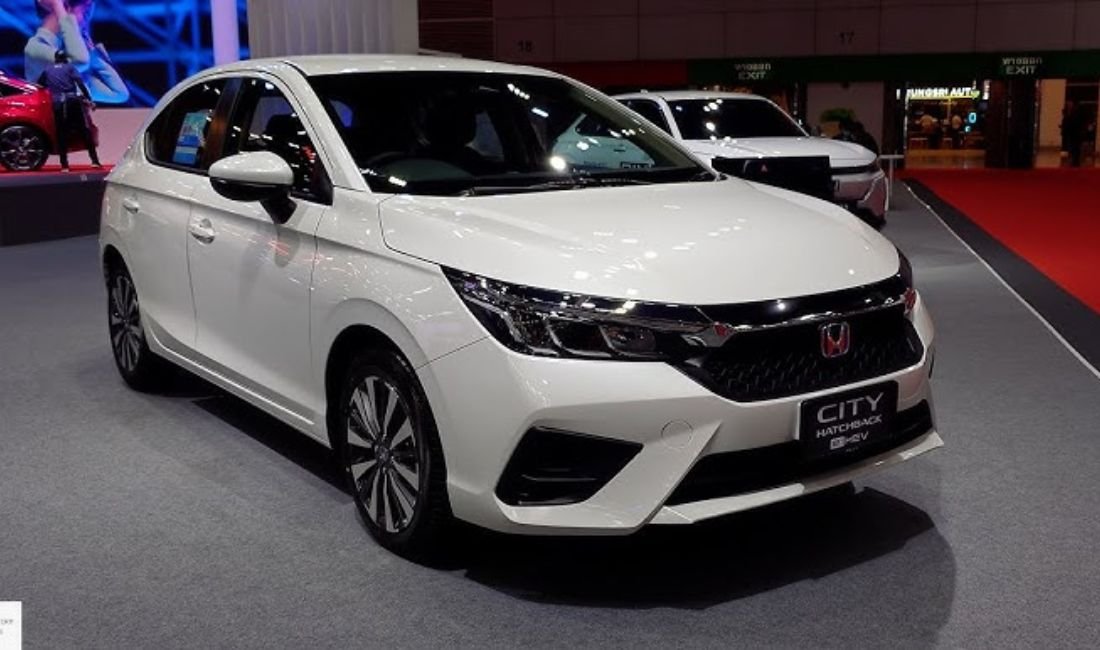
Driving a Fiat Jolly is an experience that has almost nothing in common with modern motoring, and that is precisely why people seek it out.It delivers a completely different feel compared to modern vehicles such as the Honda City Hatchback, where comfort and technology define the experience.
The engine, whether the 479 cc unit from the early 500 or the 633 cc unit from the 600, produces power that modern drivers would describe as absent. You press the accelerator and the car moves, just not with any urgency. On flat coastal roads at low speed, this is entirely acceptable. On any road with a meaningful incline, the engine requires some patience and planning.
The gearbox is a four-speed manual with a column or dash-mounted shifter depending on the example. Shifts require deliberate movement and matching engine speed. There is no synchromesh on first gear on earlier units, which means coming to a stop and selecting first requires a brief pause to let the transmission settle.
The steering is direct and light, partly because the car weighs so little and partly because front-wheel loads are minimal on a rear-engined platform. You can feel the road surface clearly. At the speeds the Jolly operates, this translates into a lively, connected sensation rather than anything unsettling.
The open body means wind noise is not noise at all, it is just wind. On a warm day with the sea visible and no particular destination in mind, the sensory experience of driving a Jolly is unlike anything else. Owners describe it consistently in exactly those terms. The car creates an atmosphere that enclosed vehicles simply cannot replicate.
What it does not do well: rain, any road longer than about 20 kilometers, motorways, cold weather, carrying luggage, and being taken seriously by anyone sharing the road in a normal car.
Owning One Today
Buying a Fiat Jolly in the current market requires careful research and a realistic understanding of what you are acquiring. These are not straightforward classic cars with established restoration networks and plentiful spare parts. In some regions, tools similar to an LTO Tracker can also help verify ownership records and history before making a purchase. They are rare, hand-built, and often heavily modified from their original specification over the course of their lives.
What to check before buying
Authentication matters enormously with a Jolly. Because production numbers were small and records are incomplete, fake or heavily modified examples do exist in the market. A genuine Ghia-built Jolly should have evidence of Ghia coachbuilding, which can include body stamps, original documentation, or verifiable provenance. Cars with documented ownership history from their early years are worth significantly more and are easier to authenticate.
Mechanical condition on the base Fiat components is generally straightforward to assess. The 500 and 600 engines are simple and well-documented. Parts for the Fiat mechanicals are available through classic Italian car specialists. The coachwork, specifically the canopy frame, wicker seats, and fringe top, is a different matter. Original wicker in good condition is increasingly rare. Many examples have been restored with reproduction seating, which affects value.
Rust is present on most survivors to some degree. The floors, sills, and rear engine bay area are the primary concern points. Body panels are difficult to source and often require custom fabrication, which adds significantly to restoration costs.
Approximate Restoration and Ownership Costs
| Item | Estimated Cost (USD) |
| Fiat 500 / 600 mechanical service | $500 – $1,500 |
| Engine rebuild (500 or 600) | $2,000 – $5,000 |
| Wicker seat restoration or reproduction | $1,500 – $4,000 |
| Fringe canopy replacement | $800 – $2,500 |
| Bodywork and paint (partial) | $3,000 – $10,000 |
| Full professional restoration | $20,000 – $50,000+ |
| Annual insurance (agreed value) | $600 – $1,500 |
Market and Values
The Fiat Jolly has moved from a charming curiosity to a serious collectible over the past 20 years. Values have risen dramatically, and the trajectory shows no signs of reversing.This trend reflects a wider shift in the automotive world, similar to discussions around the future of electric cars where demand and limited supply continue to push values higher.
In the early 2000s, a Jolly in driver condition could be found for $15,000 to $25,000. Today those same cars regularly sell for three to four times that figure. Exceptional examples, fully restored with documented provenance, have sold at major auction houses for well above $100,000.
| Condition | Approximate Market Value (USD) |
| Driver quality, running, some wear | $35,000 – $60,000 |
| Good condition, presentable, minor issues | $60,000 – $90,000 |
| Excellent, fully restored, documented | $90,000 – $150,000 |
| Concours / exceptional provenance | $150,000 – $200,000+ |
| Giardiniera-based variant Add | 20 – 40% premium |
Several factors drive these values. Total production was genuinely tiny. The cars were used heavily in their working lives, often in salt air environments, which destroyed many of them. Wealthy collectors discovered them in the 1990s and early 2000s and began actively competing for the best examples. The supply of genuine examples is finite and declining as cars are lost to age and damage. Demand from collectors globally continues to grow.
Frequently Asked Questions
What is a Fiat Jolly?
The Fiat Jolly is a beach car produced by Italian coachbuilder Carrozzeria Ghia from 1958 through the mid-1960s. Ghia took standard Fiat 500 and Fiat 600 platforms, removed the roof and doors, fitted wicker or rattan seating, and added a fringed surrey canopy. The cars were marketed to wealthy buyers as leisure vehicles for use on private estates, yachts, and coastal properties. Total production was roughly 500 to 1,000 units across both platforms.
How many Fiat Jollys were made?
Exact production numbers are unknown because Ghia’s records from this period are incomplete. Most historians estimate total production at between 500 and 1,000 units across the Fiat 500 and Fiat 600 platforms combined. This low production number is one of the primary reasons surviving examples are so valuable today.
How much does a Fiat Jolly cost today?
A driver-quality Jolly in running condition starts around $35,000 to $60,000. Fully restored examples with documented provenance sell for $90,000 to $150,000. Exceptional concours-condition cars or those with notable ownership history have sold above $200,000 at major auction houses. Values have risen significantly over the past two decades.
Is the Fiat Jolly practical to drive?
Not by modern standards. The engine produces between 13 and 22 horsepower depending on the base platform. Top speed is around 85 to 95 km/h. The car has no doors, no weather protection beyond a decorative canopy, and no modern safety features. It is best suited to short journeys on private property, estate roads, or slow coastal routes in warm, dry weather.
What is the difference between a Fiat 500 Jolly and a Fiat 600 Jolly?
The 600-based Jolly uses a slightly larger platform with a 633 cc engine producing around 21 to 22 PS, compared to the 500-based car’s 479 to 499 cc engine producing 13 to 17 PS. The 600 is marginally longer, accommodates four adults more comfortably, and has slightly better performance. Both variants are rare, though the 500-based Jolly is generally considered more visually distinctive due to its smaller proportions.
Where can I find a genuine Fiat Jolly for sale?
Genuine examples appear at major classic car auction houses including RM Sotheby’s, Bonhams, and Gooding and Company. Specialist Italian classic car dealers occasionally have examples. Private sales also occur within enthusiast communities. Given the values involved and the risk of encountering modified or misrepresented cars, working with a specialist who can verify authenticity before purchase is strongly advisable.


1 Comment
[…] like niche classics such as the Fiat Jolly rare beach car, each generation has its own unique […]
Comments are closed.