


What Is Jalopnik? Everything You Need to Know

Jalopnik is an American automotive news and culture website founded in October 2004. It covers car news, vehicle reviews, motorsport, electric vehicles, car buying advice, and car culture with an opinionated, enthusiast-first voice. Originally part of the Gawker Media network, it is now owned by Static Media and remains one of the most widely read independent car sites in the United States.
Millions of car enthusiasts mention it in Reddit threads, share its articles on social media, and treat it as required daily reading. Whether you just discovered the name or want to understand exactly what makes it different from every other automotive publication online, this guide covers everything.
If you are new to the world of car media, our guide to Jalopnik Cars: Where Every Model Tells a Story is a great place to start, alongside this overview.
Where the Jalopnik Name Comes From?
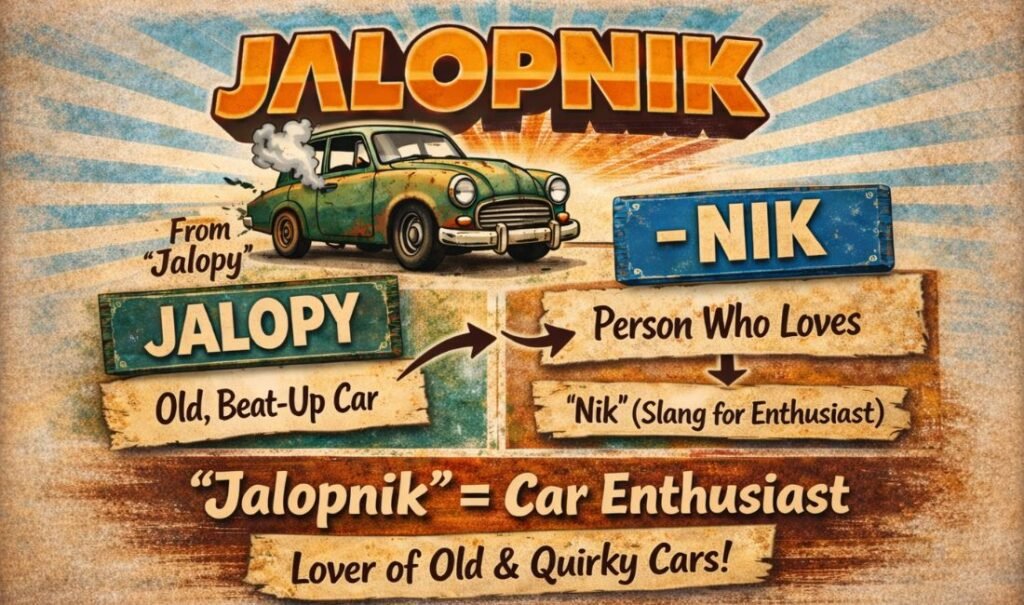
The name Jalopnik combines two words “Jalopy” and “Nik” with very different origins and together they perfectly capture what the site stands for.
“Jalopy” is an old American slang term for a beat-up, worn-out car. Nobody knows exactly where the word came from, but American drivers were using it from at least the 1920s onward to describe vehicles that were falling apart, barely running, or simply too old and tired to impress anyone. The word carries warmth rather than contempt. People who called something a jalopy usually still loved it.
The suffix “-nik” comes from Yiddish and Russian and means a person strongly associated with something. Beatnik. Refusenik. Peacenik. Add “-nik” to almost any noun and you get a person defined by their relationship to that thing.
Put them together and you get a word that loosely means a person obsessed with cars of all kinds, including and especially the ones that mainstream publications ignored. Gawker founder Nick Denton coined the name in 2004. Founding editor Mike Spinelli reportedly hated it at first. It stuck anyway, and it turned out to be the perfect fit.
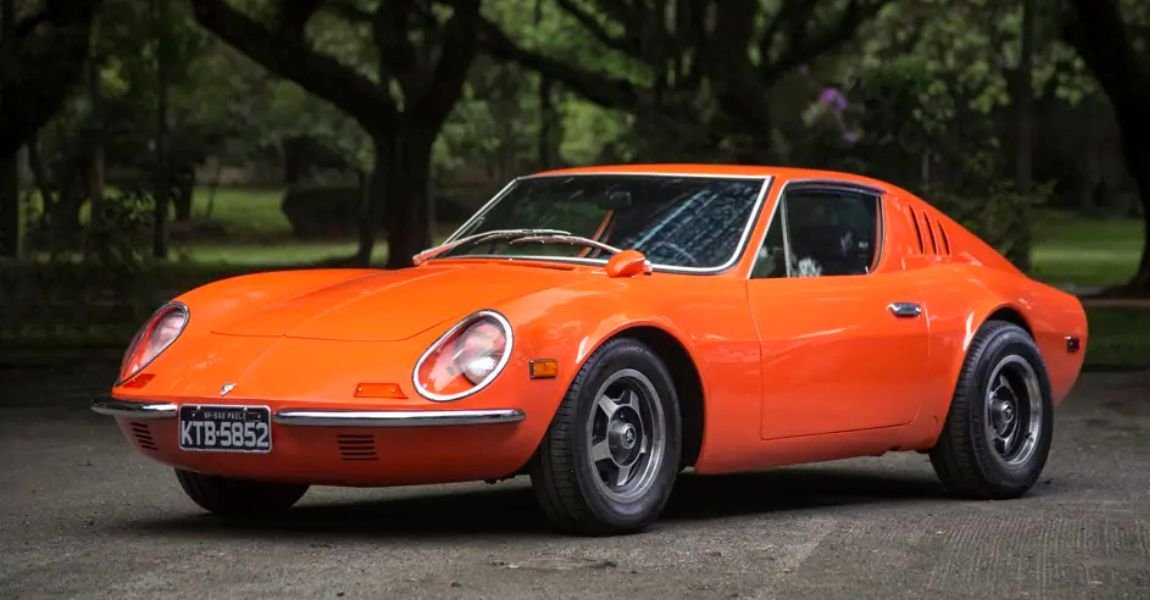
The name was never meant to signal a luxury lifestyle platform. It was built for people who loved all cars – the fast ones, the broken ones, the weird ones, the underdogs, the forgotten Japanese coupes, the rusty pickup trucks that somehow still ran, and everything in between. That same spirit lives on today in deep dives like our look at the VW SP2: The Secret Brazilian Sports Coupe, exactly the kind of car Jalopnik exists to celebrate.
The Full History of Jalopnik
Understanding where Jalopnik came from explains almost everything about what it became and why readers trust it the way they do.
2004: The Gawker Media Launch
Jalopnik launched in October 2004 as part of the Gawker Media network, a group of digital-first blogs founded by Nick Denton. At the time, established automotive magazines produced polished, advertiser-friendly content built around manufacturer partnerships and carefully managed access. Glossy spreads, embargoed first drives, and reviews that never quite said anything negative defined the landscape.
Jalopnik took a completely different road. Journalist Mike Spinelli served as the founding editor and set a tone that was opinionated, unfiltered, and written by people who actually loved cars rather than simply covering them for a paycheck. The site attracted readers quickly because it said things that other publications would not.
2013: The Jalopnik Film Festival
In 2013, Jalopnik launched the Jalopnik Film Festival, a one-off event blending automotive cinema with car culture. The inaugural festival featured exotic vehicle exhibitions and panel discussions with cinematographers, directors, and automotive enthusiasts. Ron Howard’s Formula 1 film Rush screened at the festival ahead of its general theatrical release. The event showed that the brand had grown beyond a website into a genuine cultural presence within the enthusiast community.
2016: The Gawker Bankruptcy and Sale to Univision
In 2016, Gawker Media declared bankruptcy following a $140 million legal judgment won by wrestler Hulk Hogan (Terry Bollea) over the publication of a private sex tape. The company’s portfolio of sites – including Jalopnik – was sold to Univision Communications for $135 million. Univision reorganized the properties into the Gizmodo Media Group, where Jalopnik operated alongside sister sites including Gizmodo, Deadspin, and Jezebel. The editorial team continued largely unchanged and the voice stayed intact through the transition.
2019: G/O Media Under Great Hill Partners
In April 2019, Univision sold the Gizmodo Media Group to private equity firm Great Hill Partners, which formed G/O Media. The move drew criticism from editorial staff across the network, but Jalopnik continued publishing through the transition and kept its identity intact.
2024 to 2025: Static Media Acquires Jalopnik
In October 2024, Static Media, an Indianapolis-based digital publishing company, completed the acquisition of Jalopnik from G/O Media. The deal was publicly announced in February 2025. Static Media operates a broad portfolio of digital publications and has maintained Jalopnik’s editorial independence since taking over. The core team, features, and voice have all continued under the new ownership.
What Jalopnik Covers
Jalopnik covers the full spectrum of automotive news, reviews, and culture. It does not limit itself to new car launches or manufacturer press releases. It publishes across a wide range of categories every single day.
On any given day you will find new car news, manufacturer announcements, and auto industry developments sitting alongside long-form reviews and extended real-world ownership tests. The site publishes opinion pieces on where the industry is headed and editorial commentary that takes real positions rather than treating every side as equally valid.
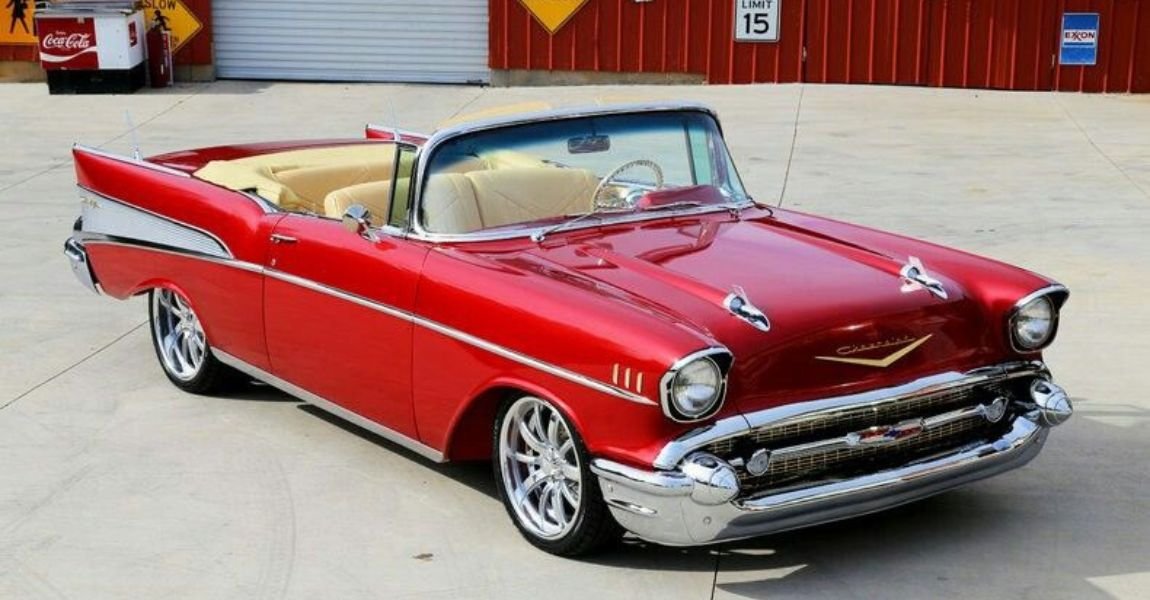
Motorsports coverage spans Formula 1, NASCAR, WRC, endurance racing, and the broader culture around competitive driving. Stories about rare, unusual, and historically significant vehicles appear regularly, from the beloved Saab 900 to the 1957 Chevrolet Bel Air, alongside practical car-buying advice and detailed buyer guides.
Electric vehicle news covers battery technology, charging infrastructure, range testing, and the business decisions automakers are making as they electrify their lineups. Automotive policy stories address safety regulations, NHTSA recalls, import tariffs, and legislative developments that affect what cars Americans can buy and how much they pay.
The site also covers motorcycles, aviation, and anything else with an engine worth caring about. Viral car videos, car spotting stories, and community-driven content round out the daily publishing schedule.
For a broader look at how Jalopnik approaches car coverage day to day, read our piece on Jalopnik News: Because Cars Deserve Better Coverage.
The Signature Features People Search For
Several recurring features have built their own loyal followings and generate consistent search traffic independently of the main news coverage.
Nice Price or No Dice
Nice Price or No Dice is a daily column written by contributor Rob Emslie. Each post spotlights a specific used car listed for sale somewhere in the United States and asks a single question: is the asking price fair or not? Readers vote and the results accumulate into a community verdict on whether the seller has priced their car reasonably.
The column was originally called Nice Price or Crack Pipe when it launched. The name changed to Nice Price or No Dice years ago and the current version runs daily. It has become a genuine reference point for used car valuations and a favourite among readers who check it every morning the way others check the news.
Reading this column regularly gives you real instincts about market value. You see hundreds of examples across every segment, condition, mileage range, and asking price and you start to understand what fair actually looks like in the real market, not just in a Kelley Blue Book estimate. Before buying used, it is also worth reading our guide on how to vet a seller before you buy.
What Car Should You Buy?
What Car Should You Buy? runs every Thursday, written by contributor Tom McParland. Readers submit their situation: budget, lifestyle, driving needs, family size, and personal preferences and McParland gives sharp, honest recommendations based on what is actually available in the real used and new car market.
There is no financial incentive behind the answer, unlike at a dealership. The recommendations come with genuine automotive knowledge and real market awareness, which is why the column has built a devoted following among readers who want solid advice before making a major purchase.
The Morning Shift
The Morning Shift is Jalopnik’s daily weekday news briefing, written by Andy Kalmowitz and published every morning. It covers the most important automotive headlines from around the world in a single post. For anyone who wants to stay current on the car industry without reading six different publications, The Morning Shift is the most efficient entry point.
The briefing covers everything from manufacturer earnings reports and tariff developments to safety recalls and industry leadership changes, all with the same opinionated voice that defines the rest of the site.
Jalopnik Explains
Jalopnik Explains is an ongoing series of deep-dive technical articles. Topics range from how all-wheel drive systems differ from four-wheel drive, to the history of the US 25-year import rule, how CVT transmissions work, what torque-to-yield bolts are, and why automakers stopped including proper bumpers on modern cars. If you have ever wondered how your car’s electric cooling fan actually works, that is exactly the kind of question this series answers.
These articles rank consistently in search results because they answer real questions that car buyers and enthusiasts actually type. The writing treats readers as intelligent and curious without requiring professional mechanical knowledge to follow along.
Jalopnik Investigates
Jalopnik Investigates publishes consumer-focused reporting on car ownership costs, insurance practices, manufacturer reliability data, and industry behaviour. These articles frequently cite Consumer Reports data, NHTSA findings, EPA figures, and Cox Automotive market research to give readers a factual foundation rather than just opinion.
The Editorial Voice of Jalopnik That Sets It Apart
One of the defining characteristics of Jalopnik is its voice. The writing is sharp, often funny, and never afraid to take a strong position. Writers call out disappointing cars, criticize poor manufacturer decisions, and name the ways the auto industry fails the people actually buying its products.
Traditional car magazines have been cautious with criticism for decades because of their dependence on automaker advertising revenue. Manufacturer relationships meant access to embargoed vehicles, press trips, and a steady supply of advertising pages. Being openly critical was not a sustainable editorial strategy for publications built on that model.
The result is coverage that reads differently from manufacturer-managed publications. When a car disappoints, the review says so. When an automaker makes a decision that hurts buyers, the coverage says so. When safety data contradicts a manufacturer’s marketing claims, the article says so and links to the primary source.
The publication regularly directs readers to the NHTSA 5-Star Safety Ratings system, which publishes recall information and crash test results independently of anything automakers control. It also points readers to the EPA fuel economy database for real-world efficiency figures rather than relying on numbers automakers publish in their own marketing materials.
Linking to verifiable primary sources rather than manufacturer press releases is a large part of what separates genuine automotive journalism from content marketing, and it is central to why Jalopnik has maintained reader trust through multiple ownership changes over twenty years. You can read more about this approach in our overview of Jalopnik: The Most Honest Voice in Car News.
Who Runs Jalopnik in 2026?
The current editorial team combines full-time staff with long-term contributors who have each built recognizable voices within the Jalopnik readership.
Erin Marquis serves as editor and is known for automotive safety and policy reporting. Her work on pedestrian safety, NHTSA regulatory failures, and the human cost of rising car prices has drawn attention from beyond the enthusiast community.
Daniel Golson serves as editor and covers supercars, car spotting, and the high-end automotive market. He covers major concours events and manufacturer reveals with consistent enthusiasm and detail.
Andy Kalmowitz writes The Morning Shift every weekday and covers breaking automotive news with a commentary-driven voice that regularly draws strong reader response.
Collin Woodard focuses on EV market analysis, industry economics, and the financial forces reshaping the automotive industry.
Logan Carter covers news and electric vehicle developments across the full range of the market, from entry-level EVs to performance electrics.
Amber DaSilva covers car culture and industry analysis, bringing a broader cultural perspective to automotive coverage.
Rob Emslie writes Nice Price or No Dice every day and has done so for years, building one of the most consistent and beloved features in automotive journalism.
Tom McParland writes What Car Should You Buy? every Thursday and has developed a reputation for recommendations that are genuinely useful rather than safe or non-committal.
Brad Brownell contributes car culture and history pieces that regularly explore overlooked vehicles, forgotten manufacturers, and the cultural context around cars, much like our own look at the Volvo 240: The Swedish Tank That Lasted 20 Years.
The Jalopnik‘s Reader Community
The comment sections have always been a defining part of Jalopnik’s identity. The readership is deeply engaged and unusually knowledgeable. Mechanics, engineers, amateur racers, professional drivers, and serious collectors participate alongside casual readers, creating discussions that frequently add factual depth and technical detail beyond what appears in the articles themselves.
The site gave rise to community formats that became genuinely iconic. Nice Price or No Dice transformed what could be a simple column into a daily ritual of collective judgment. What Car Should You Buy? turned individual purchase dilemmas into shared problem-solving exercises that the entire readership participates in.
Cars have shaped culture, economics, and social identity far beyond their function as transportation, a fact well documented in the Encyclopedia Britannica’s overview of the automobile. Jalopnik reflects that broader significance by treating car enthusiasm as a subject worth taking seriously.
The history of the automobile spans more than a century of engineering, culture, regulation, and social change. Jalopnik operates within that long tradition while covering what is happening in the industry right now.
How Jalopnik Covers Electric Vehicles
As the automotive world shifted toward electric vehicles, Jalopnik’s coverage evolved accordingly, while keeping its characteristic skepticism toward manufacturer claims and marketing.
The editorial team has never given EV manufacturers a free pass. When companies overpromise on range, underdeliver on charging speed, or release vehicles with build quality problems, the coverage says so directly. Tesla, Rivian, Ford, GM, and every other automaker in the EV space receive the same scrutiny applied to conventional vehicles.
At the same time, the publication gives genuine credit where it is earned. When an electric vehicle performs exceptionally, handles with real precision, or shows that electrification can enhance rather than compromise the driving experience, that comes through honestly in the writing.
Current EV coverage tracks the used electric vehicle market closely. The dramatic depreciation affecting many EV models, the flood of off-lease electric vehicles entering the used market through 2026 and 2027, and the practical questions around battery health and charging port wear all receive consistent attention. For a broader look at why investors and consumers alike are paying attention to the EV shift, see our piece on why smart investors see electric cars as the future.
How Jalopnik Covers Motorsport
Motorsport coverage at Jalopnik spans multiple series and approaches the subject from both a technical and cultural perspective.
Formula 1 coverage has intensified in recent years as the sport’s American audience has grown dramatically. The 2026 season carries particular significance with Cadillac entering as the eleventh constructor and the first American manufacturer in the modern era of the sport.
Jalopnik covered the team’s development from announcement through livery reveal and has tracked the ongoing story of an American automaker competing at the highest level of global motorsport.
How Jalopnik Covers Car Buying
Car buying coverage at Jalopnik operates at a different level from what most automotive publications provide. The site approaches purchase decisions the way a knowledgeable friend would, not the way a dealership or a manufacturer-funded publication would.
What Car Should You Buy? addresses the specific situation of individual readers with genuine market knowledge. The recommendations come with specific vehicle suggestions, realistic price ranges, and honest assessments of the tradeoffs involved in different choices.
Beyond the Thursday column, the site publishes detailed buyer guides for specific segments, reliability data sourced from Consumer Reports and J.D. Power, depreciation analysis, and coverage of financing conditions that affect what buyers actually pay versus what sticker prices suggest.
The practical car buying content addresses questions that real buyers ask: how to evaluate used EV battery health, which years of specific models to avoid based on reliability records, how to negotiate effectively at a dealership, and when leasing makes more financial sense than buying. If you want to understand how dealers price labour and repairs, our explainer on coding hours and how to stop overpaying your dealer is essential reading.
The Consumer Financial Protection Bureau’s auto loan resources provide independent guidance on financing that complements the vehicle-selection advice Jalopnik publishes. Understanding the financing side of a purchase is just as important as choosing the right vehicle.
Common Questions Regarding Jalopnik and Jalopnik.com
Is Jalopnik Reliable?
Yes. Jalopnik has published automotive journalism since 2004 and is widely regarded as a credible, independent voice in the industry.
The writing is openly opinionated, and the site does not pretend otherwise. Opinion and reported fact are generally clearly distinguished. Factual claims about safety recalls, industry developments, vehicle specifications, and market data are well-sourced and regularly linked to primary references, including government databases, independent research organizations, and court filings where relevant.
What is Jalopnik and who is it for?
Jalopnik is an American automotive news and culture website launched in October 2004. It publishes car reviews, industry updates, motorsport coverage, electric vehicle news, and broader automotive culture stories, all delivered in a strongly opinionated style. The site is aimed at a wide range of readers, from everyday car shoppers doing research to dedicated enthusiasts who follow the industry closely and prefer straightforward, critical commentary.
What does the name Jalopnik mean?
The name combines jalopy, American slang for a worn-out old car with the suffix -nik, meaning a person strongly associated with something. Together, it suggests someone obsessed with cars of all kinds. Nick Denton coined the name at Gawker Media in 2004.
Who owns Jalopnik now?
Static Media, an Indianapolis-based digital publishing company, owns Jalopnik following an acquisition completed in October 2024 and publicly announced in February 2025. Before that it was owned by G/O Media, and before that by Univision’s Gizmodo Media Group following the 2016 Gawker Media bankruptcy.
Is Jalopnik left-leaning?
Jalopnik covers automotive policy, safety regulation, and industry economics with a consumer-first perspective that sometimes conflicts with manufacturer and regulatory positions. The site has been criticized by some readers for incorporating broader cultural and political commentary into automotive coverage. Others consider this context essential to honest journalism about an industry shaped by government policy, trade law, and social change. The editorial team does not describe the site as politically aligned in any direction.
Does Jalopnik hate cars?
No. The site addressed this question directly in a 2023 editorial. The argument made was that honest coverage of cars, including their environmental impact, safety record, and role in urban planning – comes from taking cars seriously rather than treating them as immune to criticism. Writers who push back on certain industry practices or vehicle choices do so because they care about the subject, not because they want to eliminate it.
What happened to the original Jalopnik writers?
Several prominent early contributors left Jalopnik over the years. Most notably, David Tracy and Jason Torchinsky co-founded The Autopian in 2022. Mercedes Streeter also joined The Autopian. The departures reflected broader changes at G/O Media rather than editorial disagreements specific to Jalopnik. The current team has built its own identity while maintaining the qualities that made the site worth reading in the first place.
What is Nice Price or No Dice?
Nice Price or No Dice is a daily column written by Rob Emslie that asks readers to vote on whether a specific used car’s asking price is fair or not. It was originally called Nice Price or Crack Pipe. It runs every day and has become one of the most beloved recurring features in automotive journalism.
What is The Morning Shift on Jalopnik?
The Morning Shift is Jalopnik’s daily weekday news briefing written by Andy Kalmowitz. Published every morning, it covers the most important automotive headlines from around the world in a single post with commentary.
What is What Car Should You Buy on Jalopnik?
What Car Should You Buy? is a Thursday column written by Tom McParland in which readers submit their purchase situation and receive honest, market-aware recommendations with specific vehicle suggestions and realistic price guidance.
When was Jalopnik founded?
Jalopnik launched in October 2004 as part of the Gawker Media network.
What is “Jalopnik Explains”?
Jalopnik Explains is an ongoing series of deep-dive technical articles covering automotive topics from how different drivetrain systems work to the history of import regulations and the engineering behind specific vehicle components.
Is Jalopnik the same as Gawker?
No. Jalopnik was one of several websites in the Gawker Media network but operated as a completely separate editorial property. Gawker, the flagship gossip site, shut down in 2016 following the Hulk Hogan legal judgment that forced the company into bankruptcy. Jalopnik continued and has operated continuously since 2004 under successive ownership groups.
Top Jalopnik Alternatives for Car Enthusiasts
Jalopnik is not the only source worth reading if you take cars seriously. Getting a well-rounded picture of the automotive world means reading across multiple publications with different approaches and areas of focus.
The Autopian was founded in 2022 by former Jalopnik writers David Tracy and Jason Torchinsky. It delivers a similar enthusiast voice with an especially strong focus on engineering deep-dives, unusual vehicles, and the mechanical stories behind automotive history. For anyone who loved the technical depth of early Jalopnik, The Autopian delivers that quality consistently.
Car and Driver has published automotive journalism since 1955 and brings decades of institutional knowledge to vehicle reviews and industry coverage. Road and Track focuses on performance cars and driving culture with a more traditional enthusiast perspective. Motor Trend covers the mainstream automotive market with strong manufacturer access and production values.
For electric vehicle coverage specifically, Electrek publishes daily EV news with a depth that mainstream automotive publications cannot match on that specific beat.
Reddit’s r/cars community provides active discussion among knowledgeable enthusiasts and surfaces questions and perspectives that editorial publications sometimes miss. For specific vehicles, manufacturer-specific subreddits often contain the most detailed real-world ownership information available anywhere.
You can also browse our Car News, Jalopnik Cars, Hybrid Cars, and SUVs sections for coverage across every segment of the market.
What to Remember
Jalopnik earned its reputation by prioritizing honest, enthusiast-first journalism over polished content that protects manufacturer relationships. It has been doing that work since October 2004 and continues to do it under Static Media ownership in 2026.
Read The Morning Shift to stay current on automotive industry news every weekday. Use Nice Price or No Dice to develop genuine instincts about used car values over time. Use What Car Should You Buy? to get real advice before making a purchase. Use Jalopnik Explains any time you want to understand how something actually works under the hood or inside the industry.
For anyone building automotive knowledge from the ground up, Jalopnik is one of the most efficient and honest starting points available. The writing is accessible, the opinions are clearly labelled as opinions, the facts are sourced, and the enthusiasm is genuine.
Keep reading, keep learning, and enjoy the road ahead.

16 Comments
[…] independence sits at the core of how this publication operates, something we cover in depth in our editorial independence story. Analysis that places new models in historical context rather than treating every launch as if […]
[…] Readers who want the full background on the editorial values behind this site can find it in the story of how this publication approaches car journalism. The short version: every model gets the honest treatment it […]
[…] who want a broader sense of the site’s editorial focus can start with What Is Jalopnik?. Readers who already follow our better car coverage will recognize why electric vehicles matter far […]
[…] the complete story of what Jalopnik is, where it came from, and what it stands for today, the full guide covers two decades of automotive journalism from a publication that never stopped […]
[…] character that the automotive press had not encountered in a mainstream production car before 1978. Jalopnik has covered the Saab 900 as evidence that genuine engineering conviction produces better cars than […]
[…] Office built the LTO tracker to eliminate that waste entirely. Automotive publications like Jalopnik consistently highlight how digital vehicle management tools have transformed car ownership across […]
[…] repair estimate arrives shortly thereafter. By that point, the damage has often already started. Jalopnik has documented dozens of scenarios where a single failed electric fan converted a routine city […]
[…] a serious car by any conventional measure. If you enjoy unusual cars like this, platforms such as Jalopnik regularly highlight rare and unconventional vehicles.Fiat built the 500 and 600 as practical, […]
[…] kilometres on their cars through straightforward maintenance and no particular mechanical drama. Jalopnik has featured the Volvo 240 as a defining automotive icon of an era when engineering prioritised durability and […]
[…] chapter, and the modern revival that brought the spirit back to showroom floors. Publications like Jalopnik have extensively covered the evolution of performance cars and automotive […]
[…] word jalopy carries real history. It describes a type of car but also a type of experience, the teenage years […]
[…] life. For a broader look at how car culture and industry trends evolved, platforms like Jalopnik have documented these shifts over […]
[…] and with a little work, they run again.If you’re new to automotive media, you can start with what is Jalopnik to understand the platform behind these […]
[…] what a jalopy truly means goes beyond a simple dictionary definition. It connects deeply with history, economics, […]
[…] positions itself as an automotive repair and maintenance resource for everyday drivers and DIY mechanics. It covers oil changes, engine faults, brake jobs, […]
[…] that takes protection seriously without charging premium prices, much like how platforms such as Jalopnik break down complex automotive topics for everyday […]
Comments are closed.