
Saab 900 Turbo: The Car That Popularized Turbocharging

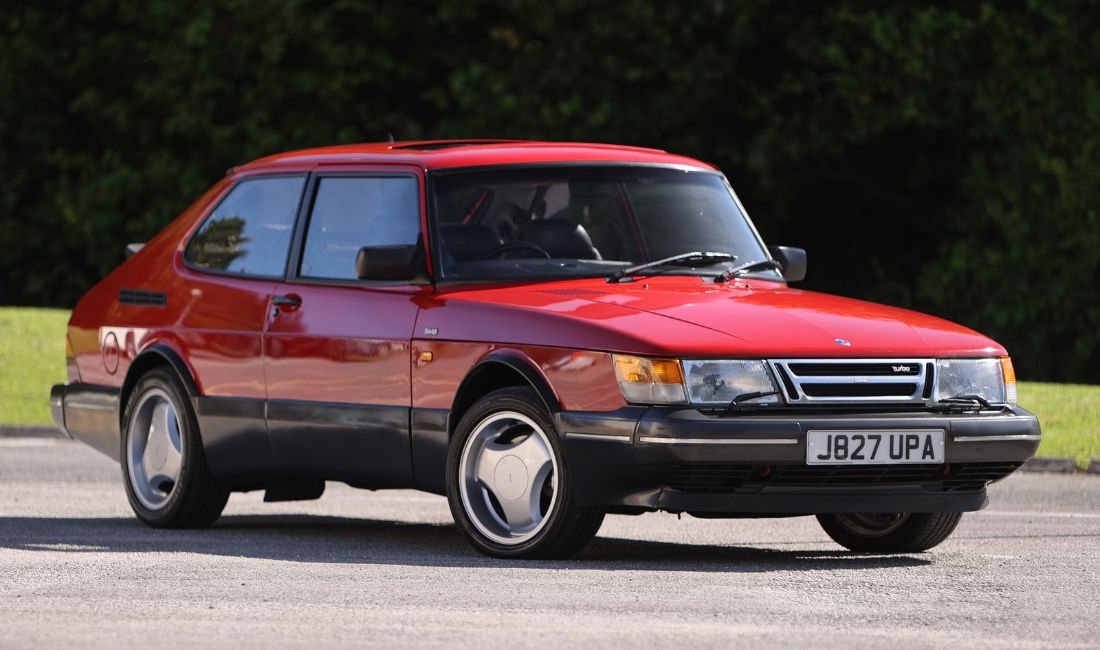
In 1978, most people associated turbocharged engines with racing cars and expensive exotics. Saab changed that. The Saab 900 Turbo put a boosted engine into a practical, five-door hatchback that a teacher, an architect, or a mid-level manager could actually buy and drive every day. It was not the first turbocharged production car, but it was the one that proved the technology belonged in ordinary life. For a broader look at how car culture and industry trends evolved, platforms like Jalopnik have documented these shifts over time.
The car came from Trollhättan, a mid-sized city in western Sweden where Saab built everything from fighter jets to automobiles. The engineers who designed the 900 Turbo brought an aerospace mindset to the problem of extracting more performance from a small displacement engine. What they produced ran for over a decade, sold in large numbers across Europe and North America, and left a mark on how the whole industry approached forced induction for road cars.
This article covers the full story, from the engineering decisions that shaped the original car through the different versions produced across its lifespan, to what it costs and involves to own one today.
A Brief History
The Saab 900 launched in 1978 as a replacement for the aging Saab 99. It shared the 99’s basic platform and engine architecture but offered a larger, more refined body and significantly improved interior space. Saab offered the 900 in multiple body styles from the start, including three-door and five-door hatchbacks, and later added a convertible in 1986.
The turbo version arrived alongside the standard car in 1978. Saab had already experimented with turbocharging on the 99 Turbo, introduced in 1977, so the technology was not new to their engineering team. But the 900 gave them a better platform to develop it further, and the 900 Turbo quickly became the model that defined the entire 900 range in the public imagination.
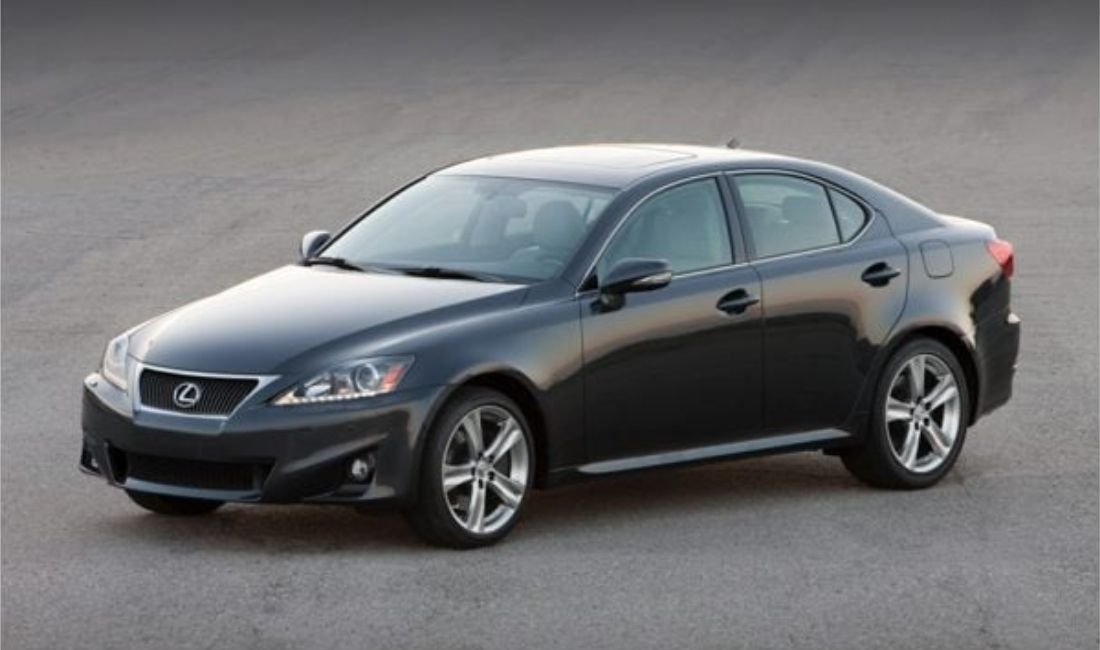
The car sold strongly throughout the late 1970s and 1980s, particularly in Scandinavia, the United Kingdom, and North America. It competed with other durable European cars of the era, often compared to models like the Volvo 240. Saab positioned it as a premium alternative to the German manufacturers, and it found a loyal customer base among professional buyers who wanted something with genuine character rather than just badge prestige.
Production of the original, classic 900 continued until 1994, when Saab replaced it with the NG900, a new generation car built on a GM platform following General Motors’ acquisition of the company. The classic 900 Turbo, therefore covers a 16-year production run with significant mechanical and specification changes throughout.
The Turbo System Explained
Understanding what made the 900 Turbo significant requires a brief look at how Saab engineered the system and why their approach differed from what other manufacturers were doing at the time.
Saab used a Garrett AiResearch turbocharger on the original 900 Turbo, matched to their 2.0-litre four-cylinder engine.Supporting components like cooling systems and airflow management also played an important role in maintaining performance. The engine itself ran on a relatively low compression ratio to accommodate boost pressure without detonation, a standard approach to turbocharged engine design. What Saab did differently was tune the system for low-end torque delivery and everyday usability rather than peak power output.
The earliest 900 Turbos produced 145 PS from the 2.0-litre unit. That figure sounds modest against modern benchmarks, but the torque delivery, arriving from relatively low in the rev range once the turbo spooled, gave the car performance characteristics that felt considerably stronger than the number suggested. In 1978, 145 PS in a family-sized hatchback was genuinely quick.
Saab also paid careful attention to turbo lag, the delay between pressing the accelerator and feeling boost pressure build. The early cars had noticeable lag, which experienced drivers learned to manage. The introduction of the 16-valve cylinder head in 1984 and subsequent fuel injection systems progressively reduced this characteristic, making later cars more responsive in everyday driving.
The intercooler arrived on the 900 Turbo 16 in 1984, cooling the compressed intake charge before it entered the engine. This allowed higher boost pressure without detonation risk and contributed to the power increase to 175 PS on the top specification cars.
Evolution by Year
The 900 Turbo changed significantly across its production life. Buyers looking at specific examples need to understand which version they are evaluating, because the driving experience and reliability profile vary considerably between early and late cars.
| Period | Key Changes | Power Output |
| 1978 – 1981 | Original 8-valve, single carburettor, Garrett turbo | 145 PS |
| 1982 – 1983 | Bosch fuel injection replaces carburettor | 145 PS |
| 1984 – 1987 | 16-valve head introduced, intercooler added | 175 PS |
| 1988 – 1991 | Revised fuel injection, improved throttle response | 175 PS |
| 1992 – 1994 | Final classic generation, updated interior | 185 PS |
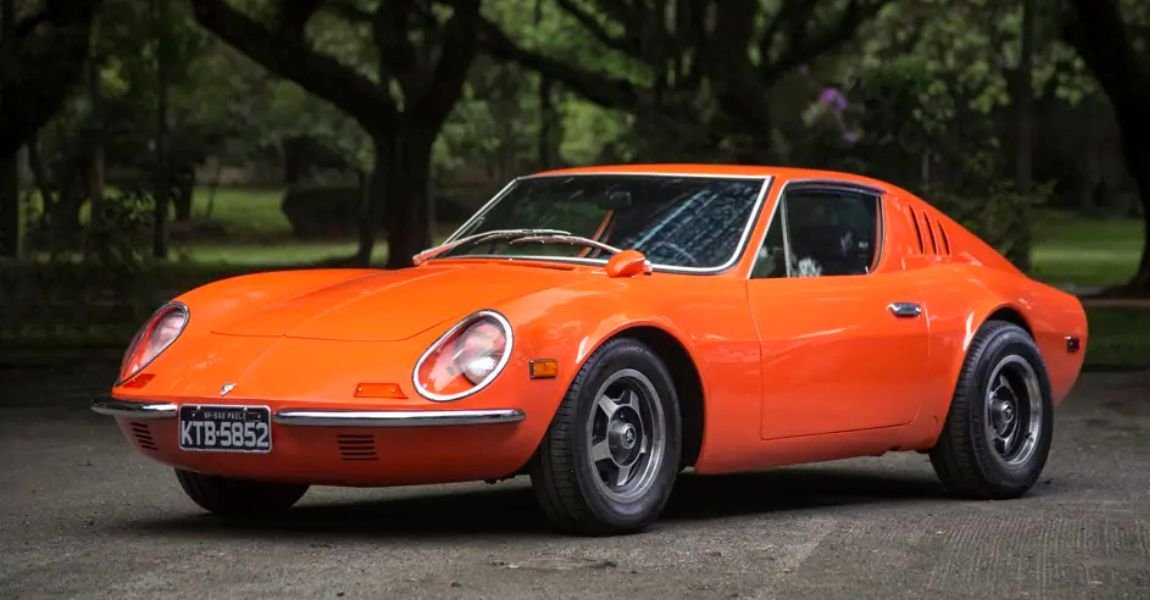
Around the same time, manufacturers in other markets were also experimenting with unique designs, such as the Volkswagen SP2.
The move from carburettor to fuel injection in 1982 brought more consistent fuelling across temperature ranges and driving conditions. Cold starts improved, fuel economy became more predictable, and the engine responded better to partial throttle inputs in everyday traffic.
The 16-valve head in 1984 was the most significant mechanical upgrade of the production run. The additional valves per cylinder improved breathing efficiency substantially, and the intercooler that accompanied the change allowed the engine to run higher boost pressure reliably. Cars from 1984 onward drive noticeably better than earlier examples and tend to be more forgiving in regular use.
Specs and Variants
Engine and Performance by Variant
| Variant | Engine | Displacement | Power | Torque | 0-100 km/h |
| 900 Turbo (1978) | B202 8v Turbo | 1,985 cc | 145 PS | 226 Nm | 9.0 sec |
| 900 Turbo EMS (1982) | B202 8v Turbo FI | 1,985 cc | 145 PS | 230 Nm | 8.9 sec |
| 900 Turbo 16 (1984) | B202 16v Turbo | 1,985 cc | 175 PS | 274 Nm | 8.0 sec |
| 900 Turbo 16S (1987) | B202 16v Turbo | 1,985 cc | 175 PS | 278 Nm | 7.8 sec |
| 900 Turbo S (1992) | B212 16v Turbo | 2,119 cc | 185 PS | 280 Nm | 7.5 sec |
Body Styles Available with Turbo
| Body Style | Doors | Years Available | Notes |
| 3-door hatchback | 3 | 1978 – 1994 | Most common, sportiest appearance |
| 5-door hatchback | 5 | 1979 – 1994 | Practical choice, same performance |
| Convertible | 2 | 1986 – 1994 | Built by ASC, highest collector values |
| Sedan | 4 | 1990 – 1994 | Less common, underrated daily driver |
The convertible deserves particular attention. Saab contracted American Sunroof Corporation to design and build the open-top 900, and the result was a genuinely well-engineered soft-top that reinforced the body structure significantly to compensate for the missing roof. Convertible 900 Turbos command the highest prices in the current market and have appreciated fastest over the past decade.
What It Is Like to Drive
The Saab 900 Turbo has a driving character that takes a little time to understand and a lot of time to forget. It does not behave like a German sports saloon or a Japanese performance car from the same era. It behaves like a Saab, which means it rewards patience and smoothness more than aggression.Compared to modern compact cars, the experience feels more mechanical and less assisted, unlike newer models such as the Kia Sonet.
The steering is accurate and reasonably communicative for a front-wheel drive car of its era. Turn-in is deliberate rather than sharp. At low speeds around town the car feels large and substantial. On an open road at higher speeds it settles into a composed, planted character that builds confidence gradually rather than immediately.
The turbo delivery on later 16-valve cars is the highlight. Push past two-thirds throttle at 2,500 rpm and the boost builds with a surge that pushes you firmly into the seat. It does not feel violent by modern standards, but it feels alive in a way that naturally aspirated cars from the same period do not. The engine note changes as boost arrives, taking on a deeper, more urgent tone that makes the experience feel deliberate and mechanical rather than electronic.
The gearbox on most cars is a five-speed manual with a short, direct throw. It suits the engine well. The clutch is heavier than a modern car but not difficult. Finding the right gear before a bend and letting the turbo do its work on exit is the basic technique, and once you understand it the car flows quickly and satisfyingly through open roads.
The brakes on pre-1984 cars are adequate rather than strong. The 16-valve cars got improved braking systems that handle the additional performance more confidently. Any car you consider buying deserves a full brake inspection before purchase.
Owning One Today
A Saab 900 Turbo is not a car you buy and forget about. It rewards owners who pay attention to maintenance, learn the specific requirements of the turbocharged engine, and build a relationship with the car over time. Owners who treat it like an appliance tend to have expensive problems. Owners who engage with it tend to have very few.
What to check before buying
If you are new to classic cars, it helps to review a used car buying guide before making a decision. The turbocharger itself is the first thing to assess. Start the engine cold and listen for any rattling or whining from the turbo. Blue smoke on startup can indicate worn turbo seals. Check the oil for signs of contamination and ask about the service history, specifically whether oil changes happened at the recommended intervals. Turbo bearings fail on engines that run low on oil or that get shut down immediately after hard driving without a cool-down period.
Rust affects most survivors to some degree. The sills, floor pans, rear wheel arches, and front subframe mounting points are the critical areas. Surface rust on body panels is manageable and expected on older cars. Structural rust on the floor or subframe changes the economics of ownership significantly.
The head gasket on the 16-valve engines has a known failure history on high-mileage or poorly maintained cars. Check for white smoke from the exhaust, milky oil on the dipstick, and coolant loss without visible external leaks. A compression test before purchase tells you more than any visual inspection.
Service and Maintenance Costs
| Item | Estimated Cost (USD) |
| Oil and filter change (every 5,000 km) | $80 – $150 |
| Timing chain service | $600 – $1,200 |
| Turbocharger replacement (if needed) | $800 – $2,000 |
| Head gasket replacement | $1,200 – $2,500 |
| Full brake service | $400 – $800 |
| Clutch replacement | $700 – $1,400 |
| Annual insurance (agreed value) | $500 – $1,200 |
Saab-specific parts remain available through specialist suppliers. The enthusiast community maintains active forums with decades of accumulated knowledge on maintenance, common faults, and sourcing parts. Joining an owner community before buying is worth the time investment.
Market and Values
The Saab 900 Turbo market has strengthened noticeably over the past decade. This trend reflects a wider shift in interest toward classic and analog cars. Cars that sold for $3,000 to $5,000 in the early 2010s now trade at two to three times those figures in comparable condition. The convertible variants have appreciated most aggressively and show no signs of softening.
| Variant and Condition | Approximate Value (USD) |
| 3-door hatchback, driver quality | $6,000 – $12,000 |
| 3-door hatchback, excellent condition | $12,000 – $22,000 |
| 5-door hatchback, driver quality | $5,000 – $10,000 |
| 5-door hatchback, excellent condition | $10,000 – $18,000 |
| Convertible, driver quality | $12,000 – $22,000 |
| Convertible, excellent / fully restored | $25,000 – $50,000+ |
| SPG / Aero variants (special editions) | Add 20 – 35% premium |
The SPG, sold as the Aero in some markets, deserves mention. Saab produced a limited run of higher-specification 900 Turbos with body kit, upgraded suspension, and a 185 PS engine tune. These cars carried a premium when new and carry a premium now. Clean SPG examples are increasingly difficult to find and command strong prices when they appear.
Values vary considerably by condition, documentation, and geographic history. A car from a dry climate with full service records sells for significantly more than an equivalent car from a rust-prone region with gaps in its paperwork.
Frequently Asked Questions
What makes the Saab 900 Turbo significant?
The 900 Turbo was one of the first cars to put turbocharged performance into a practical, everyday body style at a price that ordinary buyers could consider. It launched in 1978 and demonstrated that boost did not require an exotic or expensive package. The car influenced how other manufacturers approached turbocharged road cars through the 1980s and gave Saab a clear performance identity that lasted throughout the classic 900’s production life.
Which year Saab 900 Turbo should I buy?
The 1984 to 1994 16-valve cars offer the best balance of performance, reliability, and modern drivability. The intercooler and revised cylinder head make them significantly more refined than the earlier 8-valve cars. Within the 16-valve range, the 1988 and later cars with updated fuel injection systems are the most refined. If budget allows, a late-production 1992 to 1994 car gives you the best of the classic generation.
How fast is the Saab 900 Turbo?
The 16-valve 175 PS cars run 0 to 100 km/h in around 8 seconds. The later 185 PS cars get there in approximately 7.5 seconds. Top speed on the 175 PS cars is around 210 km/h. These figures do not stand out by modern standards but placed the car firmly in performance territory relative to its competitors in the 1980s.
Is the Saab 900 Turbo reliable?
The naturally aspirated 900 has a stronger reliability reputation than the Turbo. The turbocharged cars require disciplined maintenance, specifically regular oil changes at short intervals and proper warm-up and cool-down procedures. Cars that receive this care run well for high mileage. Cars that do not develop turbo bearing failure, head gasket problems, and other expensive issues. Service history matters more when buying a 900 Turbo than on most comparable classics.
What is the difference between the Saab 900 Turbo and the SPG?
The SPG, known as the Aero in some markets, was a higher-specification variant of the 900 Turbo produced from 1984. It featured a body kit with front air dam and rear spoiler, firmer sport suspension, wider wheels, and an uprated engine tune producing 185 PS in most markets. The interior received sport seats and additional trim upgrades. Saab produced the SPG in limited numbers and the cars command a premium over standard 900 Turbos in the current market.
How much does a Saab 900 Turbo cost today?
A driver-quality 3-door hatchback starts around $6,000 to $12,000. Clean, well-documented examples in excellent condition reach $18,000 to $22,000. Convertibles start higher at $12,000 for driver quality and climb to $50,000 or more for concours-condition examples with full documentation. SPG and Aero variants carry a 20 to 35 percent premium over comparable standard cars.
Conclusion
The Saab 900 Turbo reshaped how drivers saw turbocharging. It took a technology once limited to race cars and high-end machines and made it practical for everyday use.
The car still delivers a unique driving feel. The turbo pulls with intent, and the mechanical nature keeps the experience raw and engaging. Saab built it with purpose and focused on real-world performance rather than chasing numbers.
You cannot treat it like a modern car. It needs proper care and attention. In return, it offers a driving experience that feels connected and rewarding every time you get behind the wheel.
If you want a classic that stands out, feels alive, and delivers more than just basic transport, the Saab 900 Turbo still earns its place.