



Jalopy Car: The Beater That Built American Car Culture

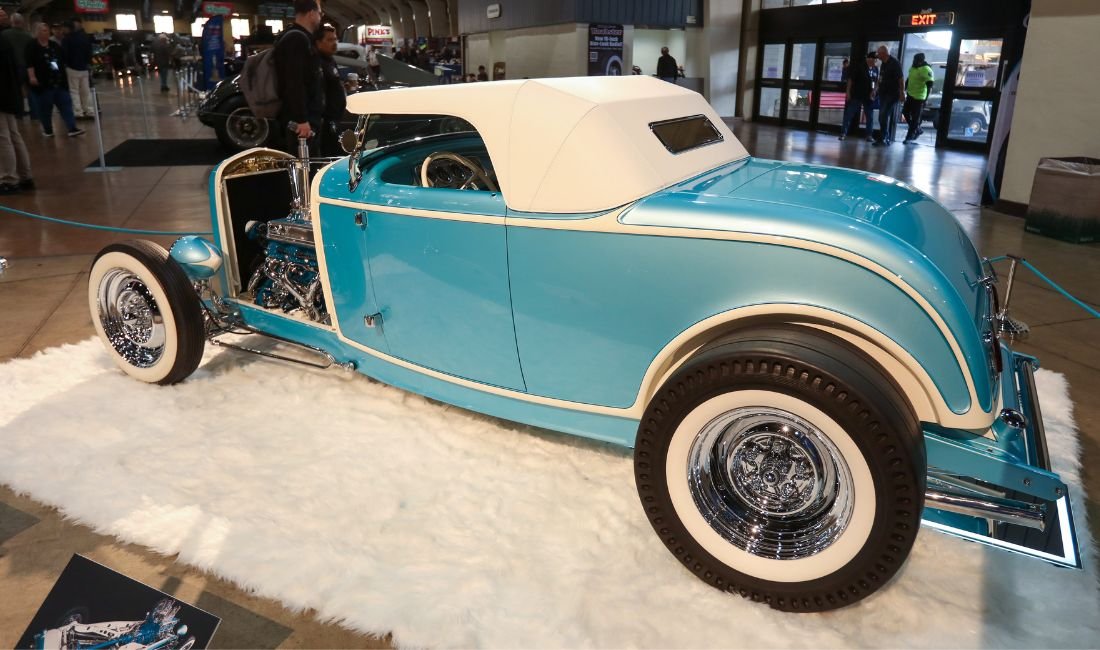
Every serious car person started somewhere. For millions of Americans across the 20th century, that somewhere was a jalopy, a beat-up, worn-out, half-running old car that cost next to nothing and taught its owner everything.
The word jalopy carries real history. It describes a type of car but also a type of experience, the teenage years spent under a greasy hood, the first road trip where something inevitably broke, the Saturday nights at the drive-in with a car that barely made it there. Jalopies were not glamorous. They were not fast. They were not comfortable. But they gave an entire generation of Americans their first real relationship with a motor vehicle, and that relationship shaped everything that came after.
This article covers what a jalopy car actually is, where the word came from, what role these cars played in American culture, and what buying one looks like today.
What Is a Jalopy Car
A jalopy is an old, worn-out car in poor mechanical or cosmetic condition, typically kept running through minimal maintenance, improvised repairs, and sheer determination. The term applies most commonly to cars from the 1930s through the 1960s that survived well past their useful life because their owners could not afford anything better or chose to keep them running for other reasons.
The word does not describe a specific make or model. A jalopy is a condition, not a category. A 1938 Ford that someone drove carefully and maintained well is not a jalopy. The same 1938 Ford with a cracked block, a missing fender, mismatched paint, and a driver who prays at every red light, that is a jalopy.
Table:Characteristic
| Characteristic | What It Means in Practice |
| Age | Typically 15 to 40 years old at time of use |
| Condition | Running but with visible wear, rust, or damage |
| Value | Low purchase price, often under $500 in period terms |
| Ownership | Often a first car for young drivers |
| Maintenance | Minimal professional service, heavy DIY repair |
| Purpose | Basic transportation, sometimes racing |
The term saw its heaviest use from the 1930s through the 1960s, when a large population of old cars from the 1910s and 1920s flooded the used car market and became the only option available to working-class buyers and teenagers.
Where the Word Came From
Nobody knows for certain where the word jalopy originated. Linguists and etymologists have debated it for decades without settling on a definitive answer.
The earliest documented appearances of the word in print date to the late 1920s and early 1930s in American newspapers and slang dictionaries. One theory traces it to Jalapa, a city in Mexico where American muscle car dealers reportedly shipped old, worn-out vehicles for resale. Another theory connects it to the Italian word galuppo, meaning a clumsy or worthless person, brought over by Italian immigrants and applied to decrepit cars. Neither theory has solid documentary evidence behind it.
What historians do know is that the word spread quickly through American working-class and youth culture during the Depression era. By the mid-1930s, newspapers used it freely without explanation, which suggests readers understood it immediately without needing a definition. That speed of adoption points to a word that filled a genuine gap in the language. People needed a word for these cars, and jalopy stuck.
The word entered formal dictionaries in the 1940s. Merriam-Webster defines it as a dilapidated old vehicle, which captures the meaning without capturing the affection that most people attach to the word. A jalopy is not just a bad car. It carries a sense of nostalgia, struggle, and humor that a purely negative definition misses.
The Jalopy Era
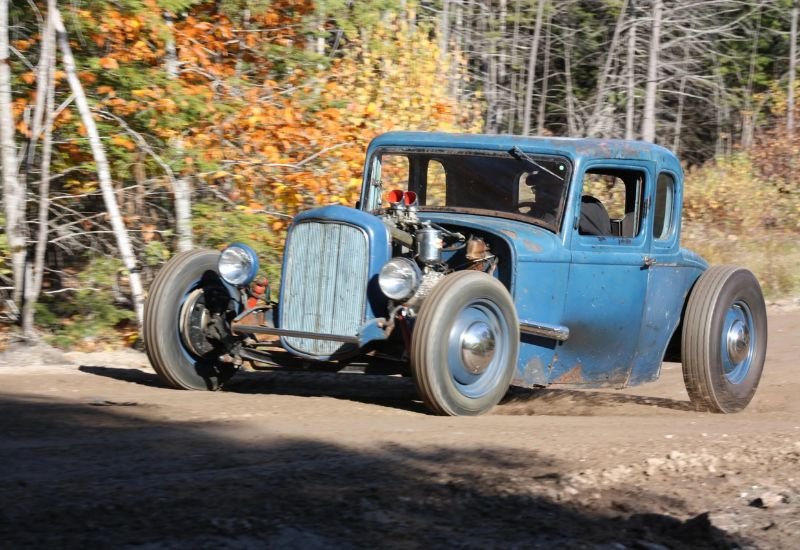
The jalopy reached its cultural peak during a specific period in American history, roughly 1930 to 1960, driven by economic conditions that put large numbers of old, cheap cars into the hands of people who needed basic transportation and could not afford much else.
The Great Depression of the 1930s created the conditions. As newer cars became unaffordable for millions of Americans, the used car market filled with vehicles from the previous two decades. A Ford Model T that cost over $800 new in 1925 sold for $30 or $40 by 1935. Young men with minimal income could buy a running car for a week’s wages. This created the first generation of jalopy owners.
Table:Typical Jalopy Cars by Era
| Era | Common Models | Approximate Cost at the Time |
| 1930s | Ford Model T, Model A, early V8 | $25 – $75 |
| 1940s | 1930s Ford, Chevrolet, Plymouth | $50 – $150 |
| 1950s | 1930s-40s Ford, Chevy, Buick | $75 – $200 |
| 1960s | 1940s-50s sedans, coupes | $100 – $400 |
World War II created an interesting pause. Car production stopped completely from 1942 to 1945. No new civilian vehicles entered the market, which meant the existing stock of old cars had to keep running. Owners learned more about maintaining and repairing vehicles out of pure necessity than any previous generation. The skills they developed became the foundation of American hot rod and custom car culture.
After the war, returning veterans had money in their pockets and a desire for independence. Many of them bought the cheapest car they could find and either drove it as daily transportation or started modifying it for performance. These were jalopies by any definition, but their owners treated them as raw material rather than finished products.
Jalopy Racing
One of the most direct products of jalopy culture was organized racing on dirt tracks and fairground ovals across rural America. From the 1930s onward, local promoters organized events where drivers competed in cheap, old stock cars with minimal modifications. These races gave working-class drivers a way to compete without the expense of purpose-built race cars.
The format varied by region, but the basic concept stayed consistent. Drivers bought the cheapest running car they could find, stripped the interior for safety, bolted a number on the door, and raced against neighbors and strangers for modest prize money. The cars got bent, broke down, and occasionally caught fire. The crowds loved it.
Jalopy Racing by the Numbers (1940s-1960s)
| Category | Details |
| Typical car cost | $50 – $300 |
| Track type | Dirt oval, usually quarter-mile |
| Race distance | 10 to 25 laps |
| Common modifications | Roll bar, removed glass, number plate |
| Prize money | $10 – $100 for feature win |
This form of racing fed directly into the development of stock car racing. NASCAR, founded in 1948, grew partly from the culture of racing old cars on dirt tracks. Many early NASCAR drivers learned their craft in jalopy races before moving to more organized competition.
Demolition derby, which became a fixture at county fairs and speedways from the 1950s onward, took the jalopy concept to its logical conclusion. Drivers bought the cheapest running cars they could find with the explicit goal of destroying them. Demolition derby persists today as a direct descendant of jalopy racing culture.
Car Culture and Jalopies
The jalopy sits at the root of American car culture in a way that expensive or exotic cars do not. Hot rodding, customizing, drag racing, and even the culture of car shows all trace their origins to young people working on cheap old cars because that was all they could afford.
Hot rodding began in Southern California in the late 1930s and early 1940s when young men bought old Ford Model Ts and Model As, stripped them down, and modified the engines for more speed. These were jalopies by condition and price, but their owners treated them as projects. They learned machining, welding, and fabrication because they had to. Professional help was expensive and often unnecessary because the cars were simple enough to understand completely.
The dry lake beds of the Mojave Desert, particularly Muroc Dry Lake and later El Mirage, became the testing ground for these modified cars. Owners drove their jalopies out to the desert, ran them as fast as possible across the flat surface, went home, and made more modifications. This informal, self-taught culture produced some of the most significant advances in performance car technology of the 20th century.
By the 1950s, the teenagers who had grown up working on jalopies became the founders and leaders of an industry. Ed Roth, George Barris, Dean Jeffries, and dozens of other custom car builders started by working on whatever cheap old car they could get their hands on. The skills they developed on jalopies became the skills that defined American custom car culture.
Jalopies Today
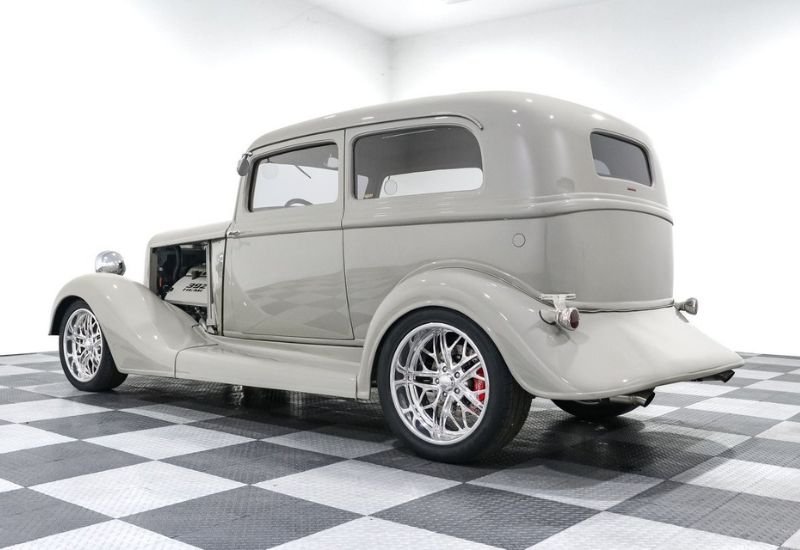
The word jalopy still appears in everyday American English, but the cars it described have largely disappeared from daily use. The cheap, old, barely-running beaters that filled streets and driveways in the 1940s and 1950s mostly rusted away or ended up in crushers decades ago.
What survives tends to fall into one of two categories. The first category includes genuine survivors, cars that somehow made it through decades of use and neglect and still exist in original or near-original condition. These are relatively rare and increasingly sought after by collectors interested in honest, unrestored vehicles. The second category includes restored or modified examples that someone bought cheaply in rough condition and brought back to running order.
The economics changed significantly. A 1940 Ford that was a jalopy in 1960 when it sold for $75 now sells for $20,000 to $40,000 restored or even in rough condition if the body is solid. The cars that were worthless have become valuable, which means the jalopy as a practical concept requires cars from a more recent era.
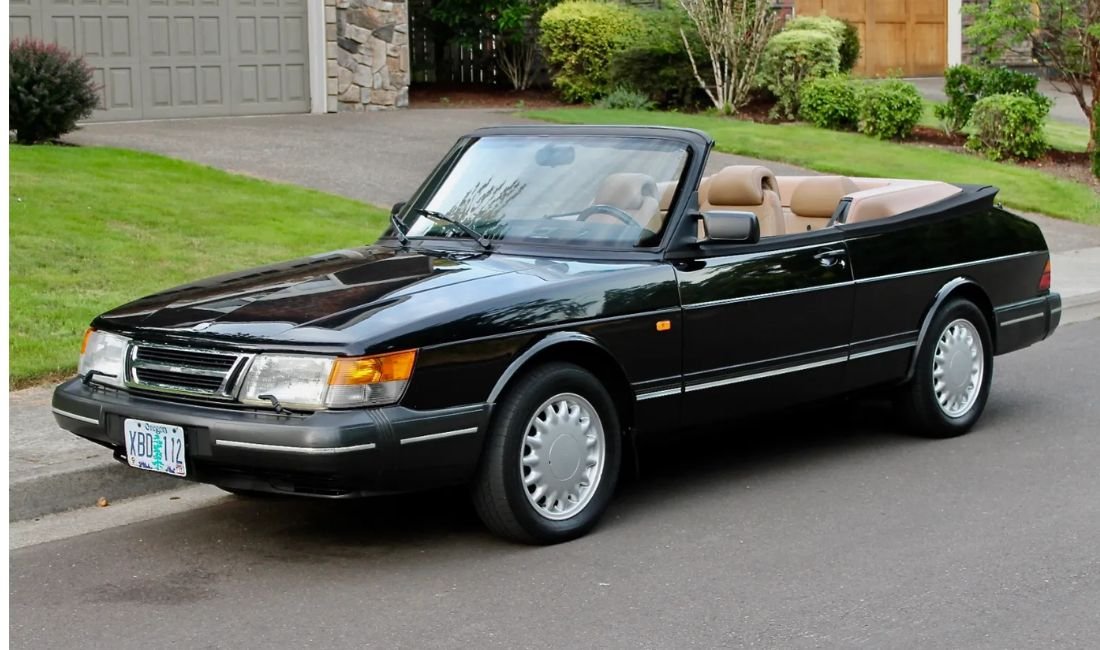
Today’s equivalent of the classic jalopy tends to be a 1990s or early 2000s domestic sedan or compact. The Chevrolet Cavalier, Ford Escort, or Dodge Neon that someone buys for $800 and drives until it dies serves exactly the same cultural function that the old Fords and Chevys served in the 1940s.
Buying a Classic Jalopy Today
If you want to buy an actual vintage car in rough, affordable condition, the market still exists but it takes more searching than it did 20 years ago. The cheapest running vintage cars today typically come from barn finds, estate sales, and long-term storage situations.
What to Expect at Different Price Points
| Budget (USD) | What You Can Realistically Find |
| $500 – $2,000 | Non-running project, needs significant work |
| $2,000 – $5,000 | Running but rough, presentable with work |
| $5,000 – $10,000 | Driver quality, basic repairs needed |
| $10,000 – $20,000 | Solid driver, some cosmetic issues |
| $20,000+ | Restored or exceptional original condition |
What to check before buying any old car
Start with the frame and floor. Rust that reaches the structural components costs far more to repair than the car is worth at the lower price points. Poke at the floor pans, check the frame rails, and look at the rocker panels. Surface rust on body panels is manageable. Structural rust is not.
Check the engine by starting it cold. Listen for knocking, look for blue smoke, and check the oil for milky coloration that indicates coolant mixing. A worn but honest engine that starts and runs is far preferable to an engine that someone recently freshened cosmetically to hide problems.
Look at the title carefully. A clear title in the seller’s name saves significant paperwork and legal trouble. Vehicles without titles or with questionable ownership chains create problems that often cost more to resolve than the car itself.
Common Costs After Purchase
| Item | Estimated Cost (USD) |
| Basic mechanical inspection | $100 – $200 |
| Brake service (full) | $300 – $800 |
| Carburetor rebuild | $150 – $400 |
| Cooling system refresh | $200 – $500 |
| Tire replacement (set of 4) | $300 – $700 |
Pros and Cons
Pros
Low entry cost compared to restored or collector-grade vehicles
Simple mechanical systems that an owner can diagnose and repair without specialist tools
Strong community of enthusiasts who share knowledge freely
Parts availability for popular makes is surprisingly good through specialty suppliers
Learning to maintain an old car builds skills that apply to any vehicle
Original, unrestored examples carry historical authenticity that restored cars cannot replicate
Cons
Rust is the primary enemy and can make a cheap car very expensive very quickly
Fuel economy is poor by modern standards, most old V8 engines return 10 to 15 mpg
No modern safety features, drum brakes, no airbags, no crumple zones
Finding qualified mechanics who work on old carbureted engines gets harder every year
Insurance and registration can be complicated for vehicles with unclear histories
What looks like a cheap buy often requires significant money to make reliable
Frequently Asked Questions
What does jalopy mean?
A jalopy is an old, worn-out car in poor condition that its owner keeps running through basic maintenance and improvised repairs. The word originated in American slang in the late 1920s and spread widely during the Depression era when cheap, old cars filled the used car market. Today people use the word both to describe genuinely decrepit vehicles and affectionately to refer to any old car with character.
Where did the word jalopy come from?
The exact origin is unknown. The earliest printed examples appear in American newspapers and slang guides from the late 1920s and early 1930s. Theories trace it to Jalapa in Mexico, where old cars were reportedly shipped for resale, or to an Italian slang term brought over by immigrants. Neither theory has definitive proof. The word entered formal dictionaries by the 1940s after spreading rapidly through American working-class and youth culture.
What cars were considered jalopies?
Any old car in rough condition qualified, but the most common jalopies across different eras were Ford Model Ts and Model As in the 1930s, pre-war Fords and Chevrolets in the 1940s and 1950s, and older sedans and coupes from the 1950s into the 1960s. The key factor was not the make or model but the condition and price. A car that cost $50 to $200 and ran well enough to drive daily qualified as a jalopy regardless of its original pedigree.
Is jalopy racing still a thing?
Yes, though it goes by different names in different places. Demolition derby, which directly descends from jalopy racing culture, continues at county fairs and speedways across the United States. Figure-eight racing and other entry-level oval racing formats still attract participants who buy cheap old cars specifically to compete. The spirit of racing whatever beater you could afford survives even if the specific term jalopy has faded from race programs.
How much does a jalopy cost today?
A non-running project car from the 1930s to 1960s starts around $500 to $2,000 depending on the make, model, and how much is still present. A running but rough example in the same era typically costs $3,000 to $8,000. Prices vary significantly by region, with cars in the rust belt typically cheaper than equivalent vehicles from dry western states. What sold for $75 as a jalopy in 1955 now sells for considerably more as a collector piece.
Can you use a jalopy as a daily driver today?
You can, but it takes commitment. The 1930s to 1950s cars lack modern safety features entirely, get poor fuel economy, and require more frequent maintenance attention than any modern vehicle. Registration and insurance requirements vary by state for older vehicles. Many owners use them for weekend driving rather than daily commuting, which reduces wear and makes the ownership experience more enjoyable. The 1960s and 1970s cars are generally more practical for regular use because parts are more available and the mechanical systems are more familiar to modern mechanics.

1 Comment
[…] six thousand dollars, the kind of car that in any other neighborhood might have been called a jalopy, and he later said that was the moment the journey […]
Comments are closed.