
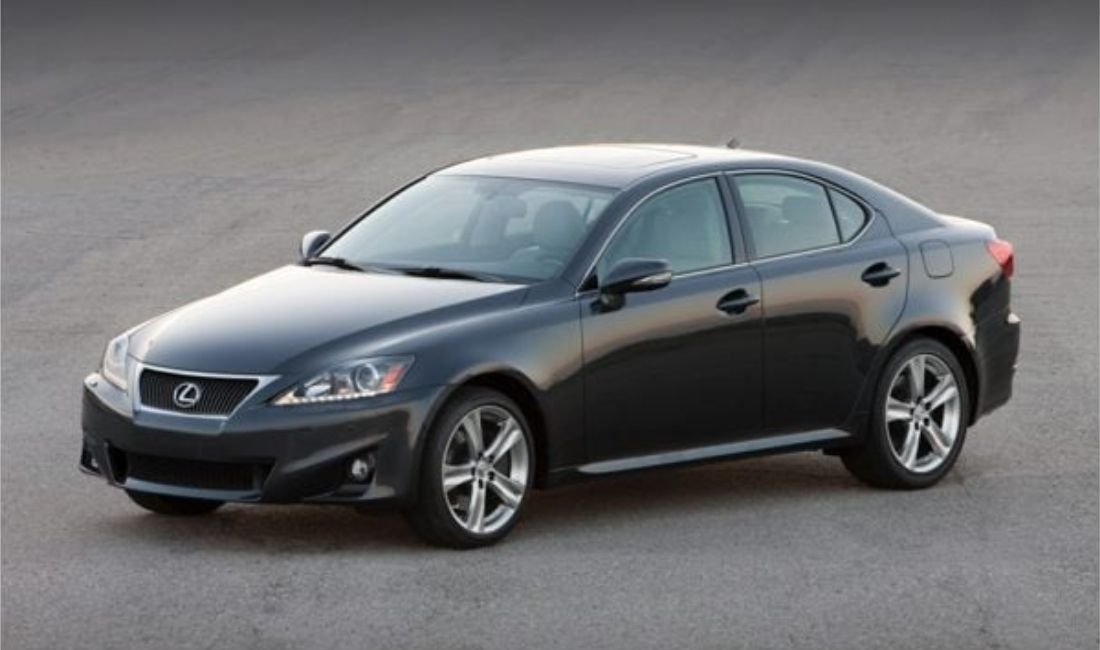

What Is a Jalopy? America’s Complete Guide to This Classic Car Term

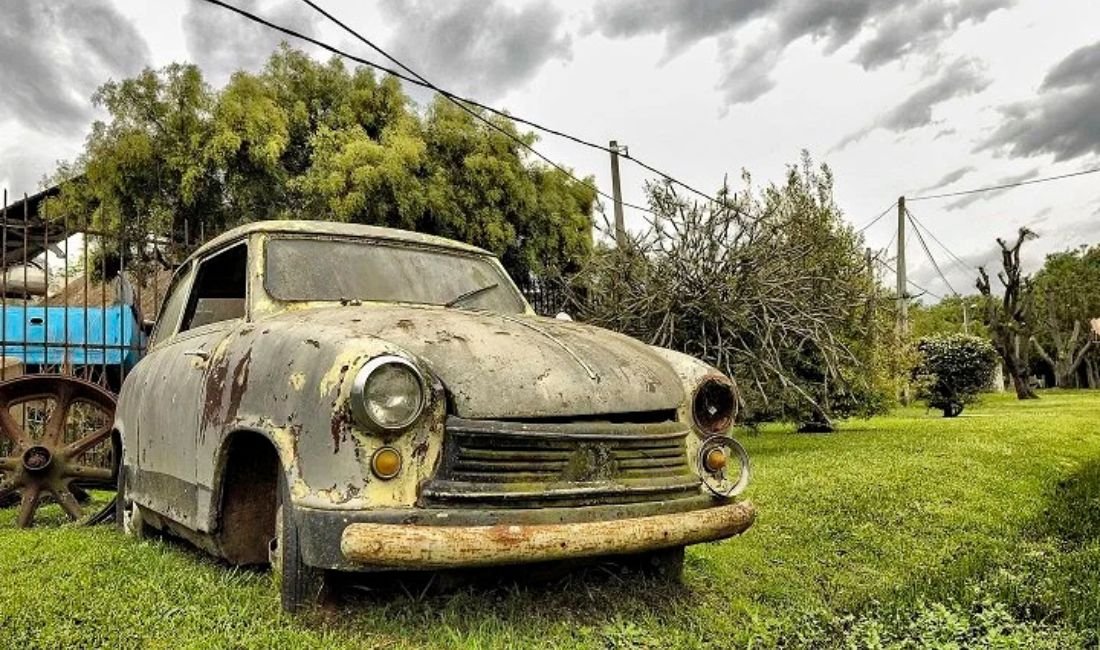
The term ‘jalopy’ holds a special place in automotive language, especially in American car culture. It instantly brings to mind an old, worn-out vehicle that still manages to run despite its age, damage, and mechanical struggles. Unlike modern cars built for efficiency, safety, and comfort, a jalopy represents an earlier era where vehicles were kept alive through constant repairs and practical improvisation rather than replacement.
Understanding what a jalopy truly means goes beyond a simple dictionary definition. It connects deeply with history, economics, car culture, and the way people have interacted with machines over time. The story of the jalopy is not just about cars falling apart, but about how people made transportation work even when resources were limited.
The Meaning of a Jalopy in Everyday Language
A jalopy refers to an old, deteriorated car that is still operational but clearly past its prime. These vehicles usually show visible signs of heavy wear such as rusted panels, faded paint, broken interiors, and unreliable mechanical performance.
Even though a jalopy may still move from one place to another, it often does so with difficulty. Engines may struggle to start, brakes may feel weak, and strange noises are often part of the driving experience. Despite these issues, the car remains in use because it still serves a basic purpose: transportation.
What separates a jalopy from simply “an old car” is its condition. A well maintained older car can still be reliable, but a jalopy usually reflects neglect, continuous breakdowns, and minimal investment in restoration.
Historical Background of the Term
The word ‘jalopy’ is believed to have originated in early twentieth-century American slang. During this time, automobile ownership was becoming more common, and people were beginning to replace horse-drawn transport with motor vehicles.
As technology advanced quickly, older cars became outdated in a short period. Many of these aging vehicles remained in use simply because owners could not afford new ones. Over time, these worn-out automobiles developed a reputation, and slang terms like jalopy emerged to describe them.
Some linguistic theories suggest the word may have been influenced by place names or trade slang, but its exact origin is still uncertain. What is clear is that the term became widely used during the 1920s and 1930s when cheap, aging cars were a common sight on American roads.
Physical Characteristics of a Jalopy
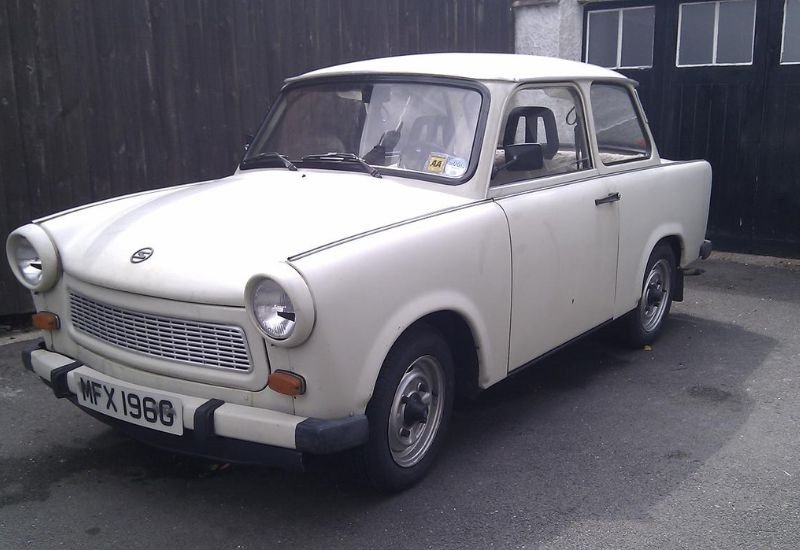
A jalopy is usually easy to recognize due to its visible condition. While every vehicle is different, most jalopies share a similar set of characteristics.
One of the most obvious signs is exterior damage. Rust often spreads across the body panels, paint fades unevenly, and dents or scratches remain unrepaired for long periods. Windows may be cracked or replaced with temporary fixes, and doors might not close properly.
Inside the vehicle, the condition is often just as worn out. Seats may be torn, dashboards may be damaged, and basic controls might not function as intended. Comfort is usually not a priority, as the focus remains on keeping the vehicle running.
Mechanically, jalopies tend to be unpredictable. Engines may require frequent tuning, oil leaks are common, and starting the car may not always be guaranteed. These issues make reliability one of the biggest challenges for owners.
Jalopy Versus Classic Car
It is important to understand the difference between a jalopy and a classic car because the two terms are often confused.
A classic car is typically a well preserved or restored vehicle that holds historical, aesthetic, or collectible value. Owners of classic cars invest time and money into maintaining or restoring them to their original condition. These cars are often appreciated at exhibitions, shows, and collector markets.
A jalopy, on the other hand, exists in a very different state. It is not preserved or restored but rather kept running in its worn condition. Its value is not in appearance or history but in its continued functionality.
Interestingly, a car can move from one category to another. A neglected vehicle might start as a jalopy, but if someone restores it properly, it can become a classic. This transformation highlights how condition and care determine classification more than age alone.
Role of Jalopies in American Culture
Jalopies became especially significant during periods of economic difficulty, particularly during the Great Depression. At that time, many families could not afford new vehicles, so they continued using older cars for as long as possible.
This led to a culture of repair and maintenance where people learned to fix engines, replace parts, and extend the life of their vehicles. Jalopies became symbols of survival and resourcefulness rather than failure.
In popular culture, jalopies are often portrayed in a humorous or nostalgic way. They appear in films, stories, and cartoons as unreliable but lovable machines that somehow still manage to get the job done. This representation reinforces the idea that they are part of everyday life rather than something to be discarded immediately.
Jalopies and Automotive Evolution
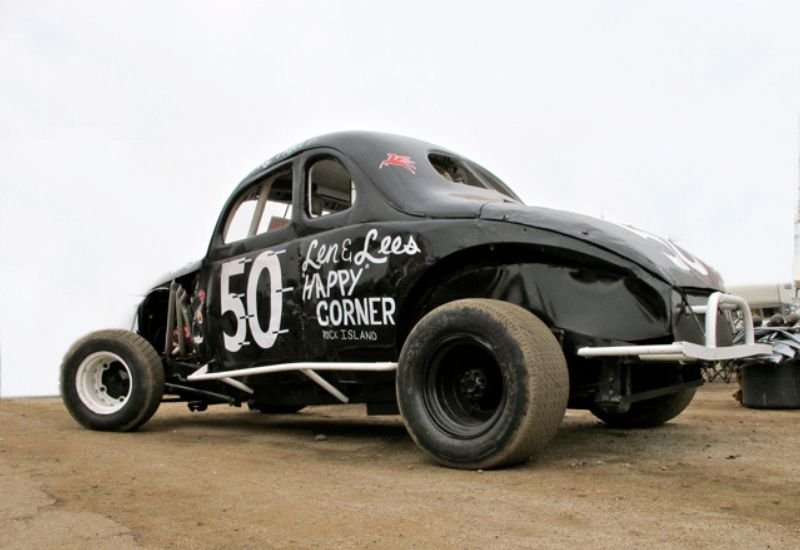
As automotive technology developed, cars became more durable, efficient, and affordable over time. This reduced the number of true jalopies on the road compared to earlier decades.
However, the concept still exists in modern form. Today, a jalopy might not always be extremely rusty or broken down, but it can still refer to a vehicle that is heavily used, poorly maintained, or constantly requiring repairs.
Modern jalopies often include high mileage vehicles, cars with outdated features, or older models that no longer meet current performance expectations. Even with advancements in manufacturing, neglect and wear can still turn any vehicle into a jalopy over time.
Why People Continue Using Jalopies
Even though jalopies are not ideal vehicles, they continue to exist for practical reasons.
One of the main reasons is affordability. Not everyone can afford a new or even a used reliable car, so older vehicles remain a necessary option for transportation.
Another reason is utility. A jalopy may not be comfortable or reliable, but it can still serve basic travel needs such as commuting short distances or running errands.
In some cases, emotional attachment plays a role. A car may belong to a family member or hold personal memories, making it worth keeping despite its condition.
Additionally, some people use jalopies for learning mechanical skills. Working on an older vehicle provides hands on experience in understanding engines, repairs, and maintenance.
The Symbolic Meaning of a Jalopy
Beyond its physical condition, a jalopy carries symbolic meaning. It represents endurance, persistence, and practicality. It reflects the idea that something does not need to be perfect to remain useful.
In many ways, the jalopy symbolizes a mindset of making the most out of available resources. It shows how people adapt to challenges and continue moving forward even when conditions are not ideal.
This symbolism is one of the reasons the term remains relevant even today, long after early automotive culture has evolved.
Beyond its physical condition, a jalopy carries symbolic meaning. It represents endurance, persistence, and practicality. It reflects the idea that something does not need to be perfect to remain useful.
In many ways, the jalopy symbolizes a mindset of making the most out of available resources. It shows how people adapt to challenges and continue moving forward even when conditions are not ideal.
Final Thoughts
A jalopy is more than just an old and worn out car. It represents a piece of automotive history, a reflection of economic reality, and a symbol of human resourcefulness. From early twentieth century roads to modern highways, jalopies have remained a reminder that usefulness often matters more than appearance.
While modern vehicles are built for longevity and performance, the idea of the jalopnic continues to hold cultural and historical significance. It tells the story of how people kept moving forward even when their machines were far from perfect.
Frequently Asked Questions
What is a jalopy
A jalopy is an old, worn out car that still runs but is usually unreliable and heavily used.
Is a jalopy the same as a classic car
No. A classic car is restored or preserved for value, while a jalopy is usually in poor condition and used for basic transportation.
Why are jalopies important in history
Jalopies represent a time when people had to rely on older vehicles due to economic limitations and lack of resources.
Can a jalopy still be driven
Yes, many jalopies are still drivable, but they often require frequent repairs and maintenance.
Can a jalopy become a classic car
Yes, if it is fully restored and preserved, it can transition into a classic car.
Why do people still use jalopies today
People use them mainly because they are affordable, functional, and sometimes emotionally valuable.