

Jalopy Meaning: Full Story Behind America’s Most Famous Car Term

The word jalopy has remained a familiar part of automotive language for decades, and it continues to hold relevance even in today’s modern cars. When people hear the term, they usually imagine an old, worn out vehicle that somehow still manages to run despite its poor condition. While the image may seem humorous, the concept behind a jalopy carries deeper meaning rooted in history, practicality, and everyday life.
Understanding the jalopy meaning requires more than just a basic definition. It involves looking at how cars evolved, how people adapted to economic challenges, and how vehicles became more than just machines. The jalopy represents a time when keeping something running mattered more than replacing it.
What Does Jalopy Mean
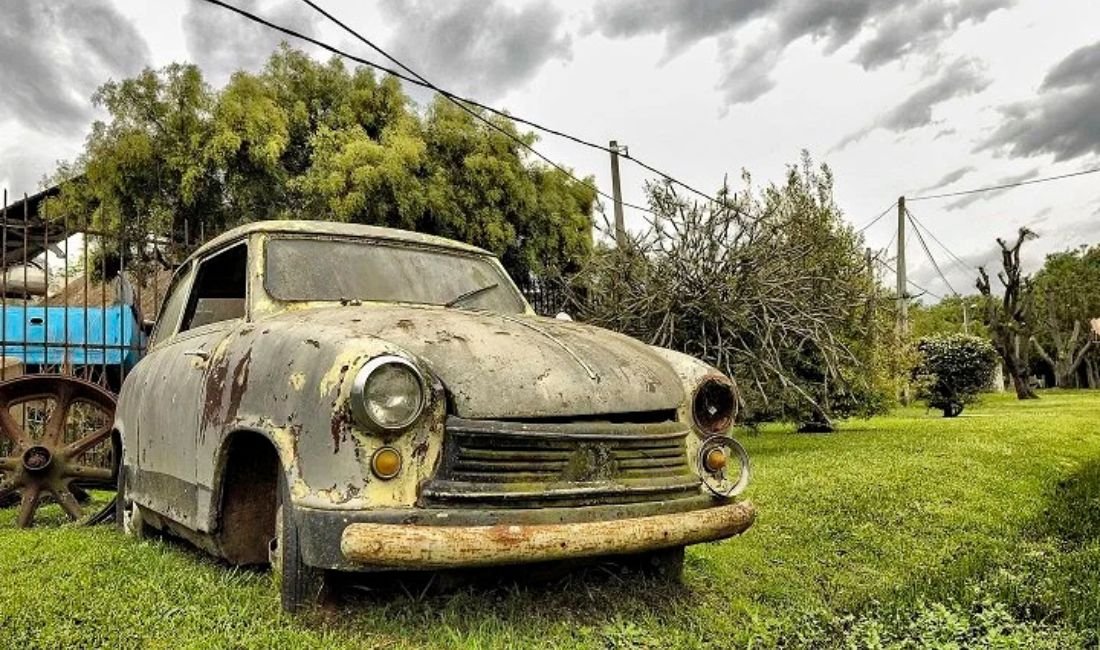
A jalopy refers to an old, deteriorated car that continues to operate despite visible damage and mechanical issues. These vehicles often show clear signs of heavy use such as rust, fading paint, broken interior parts, and unreliable performance.
Unlike a well maintained older car, a jalopy exists in a state of decline. It may start with difficulty, produce strange noises, and require frequent repairs. Even with these problems, the car remains in use because it still provides basic transportation.
The term often carries a slightly humorous tone. People use it to describe a car that is frustrating but still dependable enough to get from one place to another. In many cases, the word reflects both criticism and affection at the same time.
The History Behind the Term
The origin of the word jalopy dates back to early twentieth century America. During this period, automobile ownership was growing rapidly. More people were able to buy cars, but not everyone could afford to replace them when newer models appeared.
As technology improved, older cars quickly became outdated. Many drivers continued using these vehicles because buying a new one was not financially possible. Over time, these worn out cars became common on the roads, and people began using slang terms to describe them.
Jalopy became one of the most popular terms during the 1920s and 1930s. Although its exact origin remains unclear, it became widely accepted as a way to describe cars that were old, unreliable, and still in use.
Common Features of a Jalopy
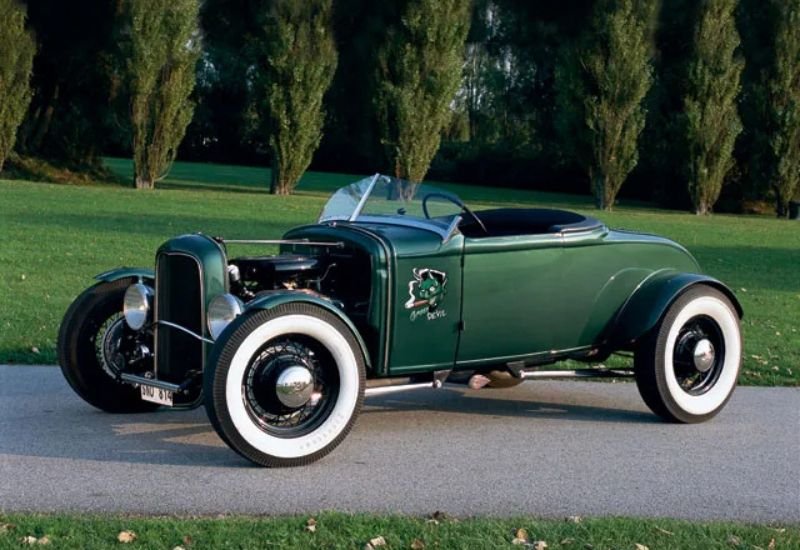
A jalopy is easy to identify once you understand its characteristics. These cars share a combination of visual and mechanical issues that set them apart from other vehicles.
One of the most noticeable features is exterior damage. Rust often spreads across the body, paint fades unevenly, and dents remain unrepaired. The car may look neglected, but it continues to function.
The interior usually reflects the same level of wear. Seats may be torn, controls may not work properly, and comfort is often limited. Drivers focus more on keeping the car running than improving its condition.
Mechanical problems are another defining trait. The engine may struggle, oil leaks can occur, and starting the car may require multiple attempts. Despite these challenges, the vehicle remains in use, which is what truly defines it.
Difference Between a Jalopy and a Classic Car
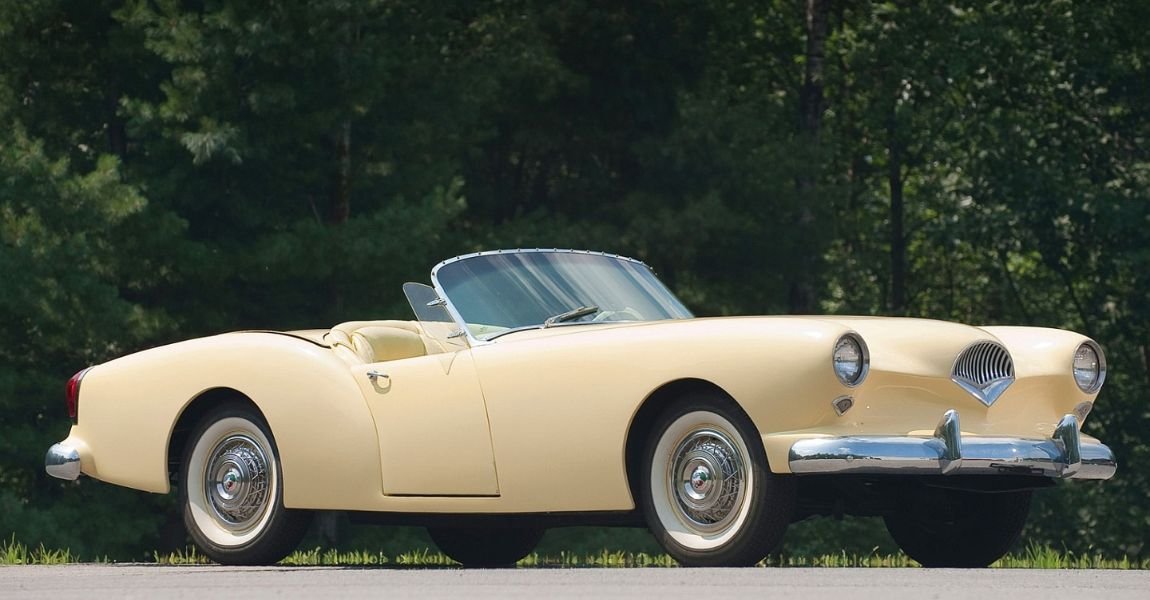
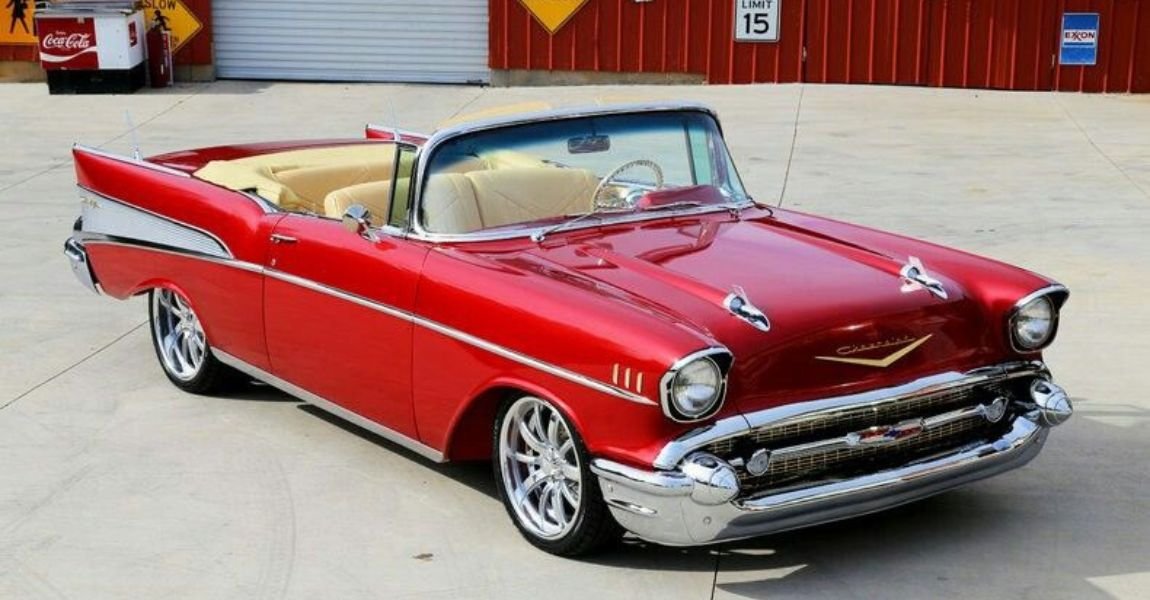
Many people confuse jalopies with classic cars, but the two are very different. A classic car holds value because of its history, design, or rarity. Owners invest time and money into restoring and preserving these vehicles.
A jalopy, on the other hand, is not restored or maintained to a high standard. It exists in a worn out condition and is used mainly for practical purposes. Its value comes from its ability to function rather than its appearance.
However, the line between the two can change. A neglected vehicle can become a jalopy, and with proper restoration, it can later become a classic car. This shows how maintenance and care play a major role in defining a vehicle’s status.
Cultural Importance of Jalopies
Jalopies became especially important during difficult economic periods such as the Great Depression. During that time, many families could not afford new cars, so they relied on older vehicles for transportation.
This situation created a culture of repair and resourcefulness. People learned how to fix engines, replace parts, and keep their cars running for as long as possible. Jalopies became symbols of survival and determination rather than failure.
In jalopy cultural retrospective, jalopies often appear in a humorous or nostalgic way. Movies and stories portray them as unreliable but lovable machines. These portrayals highlight the emotional connection people can have with their vehicles, even when they are far from perfect.
Jalopies in Modern Times
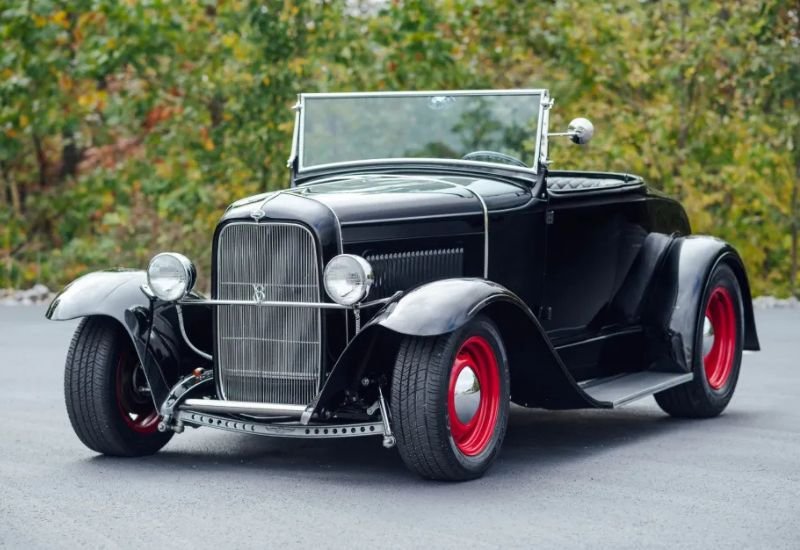
Even though modern cars are more advanced and reliable, the concept of a jalopy still exists. Today, a jalopy may not always look extremely damaged, but it still refers to a vehicle that is heavily used and poorly maintained.
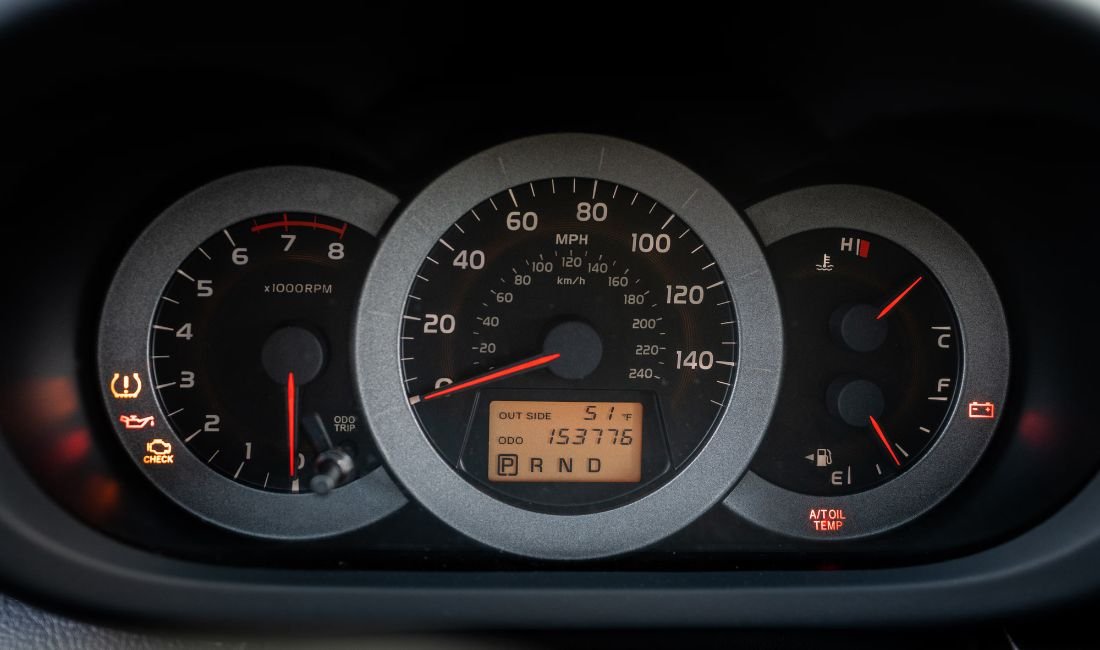
Modern jalopies often include high mileage cars, vehicles with frequent mechanical issues, or older models with outdated features. These cars may still function, but they require constant attention to remain operational.
The term continues to evolve while maintaining its original meaning. It still represents a car that survives through continued use rather than proper maintenance or restoration.
Why People Still Drive Jalopies
There are several reasons why people continue to drive jalopies today. One of the main reasons is affordability. Not everyone can afford a newer vehicle, so older cars remain a practical option.
Another reason is basic utility. A jalopy may not be reliable for long journeys, but it can still handle short trips and daily tasks. For many people, that is enough.
Emotional attachment also plays a role. Some cars hold personal memories, making them difficult to replace. Owners may choose to keep them despite their condition.
Additionally, jalopies provide a learning opportunity. People interested in mechanics often use older cars to understand how engines and systems work. This hands on experience can be valuable and rewarding.
The Symbolic Meaning of a Jalopy
A jalopy represents more than just a worn out car. It reflects persistence, adaptability, and practicality. It shows how people make the best use of what they have instead of constantly seeking perfection.
This idea gives the term lasting relevance. Even in a world where new technology is always available, the jalopy reminds us that usefulness matters more than appearance. It represents a mindset that values function and resilience over perfection.
Final Thoughts
The jalopy meaning goes far beyond a simple description of an old vehicle. It captures a piece of history, a cultural attitude, and a practical approach to transportation. These cars may not be impressive, but they serve an important purpose.
From early American roads to modern cities, jalopies continue to represent the ability to keep moving forward despite challenges. They remind us that even imperfect machines can still play a valuable role in everyday life.
Frequently Asked Questions FAQs
What is a jalopy
A jalopy is an old and worn out car that still runs but often has mechanical problems and visible damage.
Is a jalopy the same as a classic car
No, a classic car is restored and valuable, while a jalopy is usually in poor condition and used for basic transportation.
Why is the term jalopy still used today
The term remains popular because it clearly describes a type of car that many people still recognize and experience.
Can a jalopy be restored
Yes, with proper repairs and restoration, a jalopy can be transformed into a well maintained or even classic vehicle.
Are jalopies safe to drive
They can be safe if properly maintained, but many require frequent repairs to ensure safety.
Why do people keep driving jalopies
People use them because they are affordable, practical, and sometimes hold personal or sentimental value.