

Lexus IS250 Problems: What Owners Need to Know

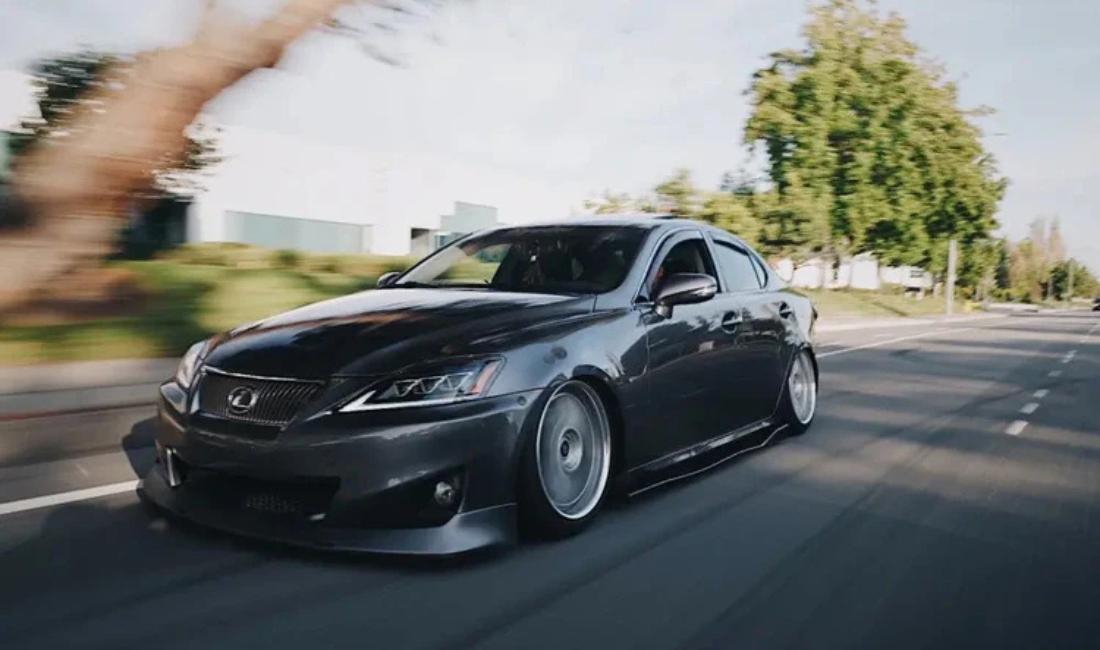
The Lexus IS250 built its reputation as a luxury compact sedan that combined premium comfort, strong build quality, and dependable engineering. Lexus introduced the IS250 as part of the second-generation IS lineup and targeted drivers who wanted a refined alternative to German luxury sedans. Many buyers still consider the IS250 because of its comfortable ride, upscale interior, and long-term durability.
Despite its reputation for reliability, the IS250 has several known issues that owners and buyers should understand before making a purchase. Carbon buildup, dashboard deterioration, water pump failures, and suspension wear appear frequently in owner reports across multiple model years. Understanding these concerns can help buyers avoid expensive repairs and make informed decisions.
The most discussed Lexus IS250 research involve direct fuel injection carbon deposits, interior material degradation, and age-related maintenance concerns. While these issues rarely make the vehicle unreliable, they can increase ownership costs as mileage rises.
A Brief History
Lexus introduced the IS250 for the 2006 model year as part of the XE20 generation. The model replaced the first-generation IS300 and introduced a more modern platform, advanced technology, and improved safety features.
The IS250 used a 2.5-liter V6 engine paired with either a six-speed manual transmission or a six-speed automatic transmission. Buyers could choose between rear-wheel drive and all-wheel drive configurations depending on market availability.
Production of the second-generation IS250 continued through the 2013 model year. Lexus launched a redesigned third-generation IS lineup in 2014, but the IS250 remained an important part of the brand’s luxury sedan history.
Key Generations
Second Generation (2006-2013)
The second-generation IS250 represented the majority of IS250 production. It introduced direct fuel injection technology, a redesigned chassis, and significantly improved cabin quality.
Many reliability discussions focus on this generation because it remained on the market for several years and accumulated substantial owner feedback.
Generation Comparison Table
| Generation | Model Years | Engine | Transmission | Key Features |
| XE20 | 2006-2013 | 2.5L V6 | 6-Speed Manual / Automatic | Direct Injection, Luxury Interior, AWD Availability |
| XE30 Successor Models | 2014+ | Updated Engines | Automatic | Improved Technology, Better Fuel Efficiency |
What Made It Different
The IS250 entered a competitive segment dominated by European luxury sedans. Lexus introduction on comfort, reliability, and ownership satisfaction rather than aggressive performance.
Key strengths included:
- Quiet cabin
- High-quality interior materials
- Smooth V6 engine
- Strong safety ratings
- Available all-wheel drive
- Excellent long-term durability
The direct injection system helped improve fuel efficiency and emissions. However, this technology also contributed to one of the most commonly reported maintenance concerns in later years.
Specs and Models
Engine and Specifications Table
| Specification | Lexus IS250 |
| Engine | 2.5L V6 |
| Engine Code | 4GR-FSE |
| Horsepower | 204 hp |
| Torque | 185 lb-ft |
| Transmission | 6-Speed Manual or Automatic |
| Drivetrain | RWD / AWD |
| Fuel Type | Premium Gasoline |
| Seating Capacity | 5 |
| Fuel Tank Capacity | 17.4 Gallons |
Common Model Years
2006 Lexus IS250 Problems
The 2006 model introduced the new generation and experienced some early production concerns. Carbon buildup became one of the most discussed issues because the direct injection system allowed deposits to accumulate on intake valves over time.
Dashboard melting and sticky interior panels also affected some vehicles, especially in warmer climates.
2007 Lexus IS250 Problems
The 2007 model shared many characteristics with the 2006 version. Owners frequently reported carbon buildup, water pump leaks, and dashboard deterioration as mileage increased.
Most vehicles remained reliable when owners followed recommended maintenance schedules.
2008 Lexus IS250 Problems
The 2008 model showed improvements in overall build consistency. However, carbon deposits continued to affect some engines, particularly those driven mostly in city traffic.
Suspension wear and premature tire wear also appeared in higher-mileage examples.
2009 Lexus IS250 Problems
The 2009 model generally delivered better long-term reliability. Common concerns included water pump failures, carbon accumulation, and occasional electronic component issues.
Many examples surpassed 200,000 miles with proper maintenance.
What It Is Like to Drive
The IS250 delivers a balanced driving experience that prioritizes refinement over outright performance. Steering feels precise, and the suspension provides a comfortable ride without sacrificing handling stability.
The 204-horsepower V6 offers smooth acceleration for daily driving. Drivers seeking stronger performance often prefer the larger IS350, but the IS250 remains capable in urban and highway conditions.
Cabin insulation effectively reduces road and wind noise. Long-distance travel feels comfortable thanks to supportive seating and premium interior design.
Owning One Today
Many buyers consider the IS250 because used prices remain attractive compared with competing luxury sedans. The vehicle continues to offer dependable transportation when owners address known maintenance concerns.
Most Common Lexus IS250 Problems
Carbon Buildup
Carbon accumulation on intake valves represents the most frequently reported issue. Direct injection engines do not wash intake valves with fuel, allowing deposits to develop over time.
Common symptoms include:
- Rough idle
- Reduced fuel economy
- Hesitation during acceleration
- Check engine light
Water Pump Failure
Water pumps often require replacement after significant mileage. Coolant leaks usually appear before complete failure.
Warning signs include:
- Coolant loss
- Engine overheating
- Grinding noises
- Visible coolant stains
Dashboard and Door Panel Melting
Some early vehicles developed sticky or cracked dashboard surfaces after prolonged exposure to heat and sunlight.
Affected components may include:
- Dashboard
- Door panels
- Center console trim
Suspension Wear
Higher-mileage vehicles often require suspension component replacement.
Common wear items include:
- Control arm bushings
- Ball joints
- Shock absorbers
- Sway bar links
Ownership and Maintenance Cost Table
| Maintenance Item | Typical Frequency |
| Oil Change | Every 5,000-10,000 Miles |
| Brake Service | 30,000-60,000 Miles |
| Water Pump Replacement | 80,000-150,000 Miles |
| Carbon Cleaning | As Needed |
| Spark Plugs | Around 120,000 Miles |
| Suspension Components | Varies by Mileage |
Market and Values
The IS250 remains popular in the used luxury car market because of its strong reliability record and premium features. Pricing varies based on mileage, condition, maintenance history, and drivetrain configuration.
Market Value by Condition
| Condition | Typical Market Position |
| Excellent | Highest Value |
| Good | Strong Demand |
| Fair | Moderate Demand |
| Needs Repairs | Lowest Value |
Vehicles with complete maintenance records usually command stronger resale values. Buyers often pay more for examples with documented carbon cleaning and cooling system maintenance.
FAQ
Is the Lexus IS250 reliable?
Yes. The IS250 ranks among the more dependable luxury sedans from its era. Most owners report long service life when they perform regular maintenance and address known issues promptly.
What is the biggest problem with the Lexus IS250?
Carbon buildup remains the most commonly reported concern. The direct injection system can allow deposits to accumulate on intake valves, which may affect performance over time.
Which IS250 model year is best?
Many buyers favor later second-generation models because they benefited from ongoing refinements. A well-maintained example often matters more than the specific model year.
How long does a Lexus IS250 last?
Many IS250 vehicles exceed 200,000 miles. Some owners report mileage well beyond 250,000 miles when they follow proper maintenance schedules.
Are repair costs expensive?
Repair costs generally remain lower than many competing European luxury car. Routine maintenance and preventive repairs help reduce long-term ownership expenses.
Should I buy a used Lexus IS250?
A used IS250 can provide excellent value if it has a documented maintenance history. Buyers should inspect for carbon buildup, cooling system issues, suspension wear, and interior deterioration before purchase.
Conclusion
The Lexus IS250 continues to attract buyers who want a luxury sedan with strong reliability and reasonable ownership costs. While several known issues affect the model, most concerns involve maintenance rather than major mechanical failures.
Buyers who understand the common Lexus IS250 problems can find excellent examples that deliver years of dependable service. The combination of premium comfort, durable engineering, and strong resale value keeps the IS250 relevant in today’s used luxury car market.