
If you have spent any time exploring car news online, you have almost certainly come across this name. It gets mentioned in Reddit threads, shared on social media, and referenced constantly in conversations among gearheads. But if you are new to the automotive world, you might be wondering what the site actually is and why so many car enthusiasts treat it like required reading.
This guide answers that question in full. We cover where the publication came from, what makes its editorial voice stand out in the crowded automotive media landscape, the types of content it covers, and why it has built one of the most loyal reader communities in online car culture. Whether you are just starting your journey as a car enthusiast or you want a deeper understanding of how automotive journalism actually works, this is the right place to start.
The Origins of Jalopnik: Where It All Started
The outlet launched in 2005 as part of the Gawker Media network, a group of digital-first blogs that were doing something genuinely different from traditional media at the time. While established automotive magazines were producing polished, advertiser-friendly content built around glossy spreads and manufacturer partnerships, this publication took a completely different road. It was opinionated, unfiltered, and written by people who actually loved cars rather than simply covering them for a paycheck.
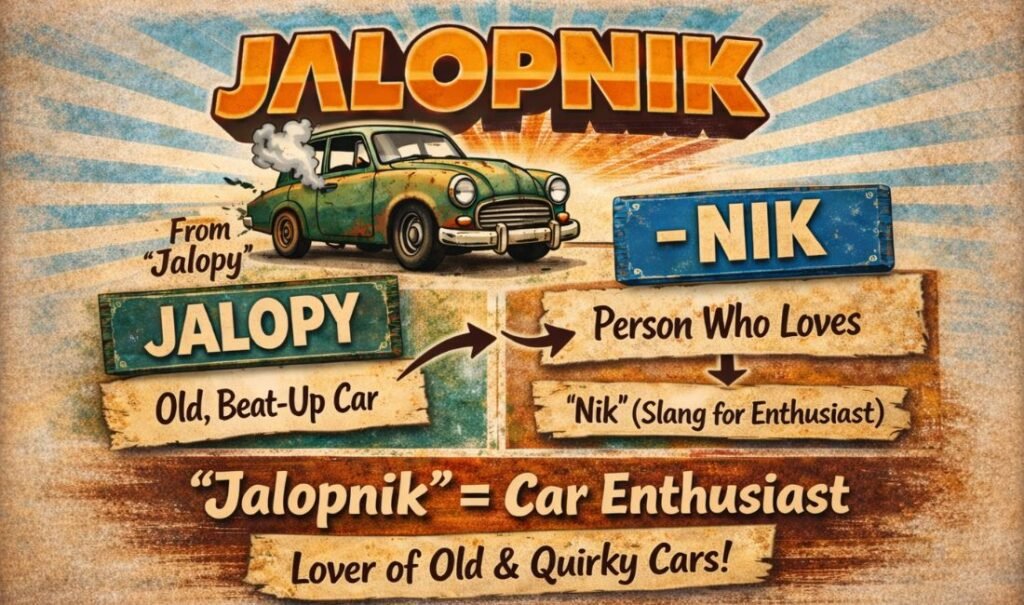
The name itself comes from the word jalopy, an old American slang term for a beat-up, worn-out car. That choice says everything about the original intent. The site was never positioning itself as a luxury lifestyle platform. It was built for people who loved all cars, the fast ones, the broken ones, the weird ones, and the underdogs that mainstream publications ignored entirely.
Ownership changed hands over the years. Gawker Media was acquired by Univision in 2016, and the publication moved to G/O Media and was later acquired by Static Media in October 2024, an Indianapolis-based digital media company that now oversees the brand. Through every transition, the core editorial identity stayed intact because the readership demanded it. Independent automotive journalism with a real point of view proved too valuable to abandon, regardless of who owned the parent company.
What Kind of Content Does the Site Cover?
The publication covers the full spectrum of automotive news, reviews, and culture. It is not limited to new car launches. It operates as a genuine automotive media destination, publishing across a wide range of categories that matter to enthusiasts at every level of knowledge and experience.
Here is what you can typically expect to find
- New car news, manufacturer announcements, and auto industry developments
- Long-form car reviews and extended real-world ownership tests
- Opinion pieces and editorial commentary on where the auto industry is headed
- Motorsports coverage, racing culture, and track event reporting
- Stories about rare, unusual, and historically significant vehicles
- Practical car buying advice and detailed buyer guides
- Electric vehicle news and coverage of autonomous driving technology
- Automotive policy stories covering safety regulations and import tariffs
- Viral car videos and memorable moments from the global enthusiast community
The breadth is intentional. The goal has always been to be genuinely useful to someone shopping for a practical family car and deeply entertaining to someone who just wants to read a detailed history of a forgotten Japanese sports coupe. That combination of utility and real enthusiasm is a major reason the readership has stayed so loyal across two decades of dramatic changes in how people consume media.
The Editorial Voice: What Makes It Stand Out
One of the defining characteristics of the site is its voice. The writing is sharp, often funny, and never afraid to take a strong position. Writers are not shy about saying when a new car is disappointing, when a manufacturer is making a poor decision, or when the auto industry is getting something badly wrong for the people actually buying its products.
Traditional car magazines have historically been cautious with criticism, partly because of their dependence on automaker advertising revenue. This outlet was built without that same structural pressure, which gave its writers real freedom to publish honest takes. When it comes to vehicle safety, the publication regularly points readers toward official data rather than manufacturer claims.
The NHTSA 5-Star Safety Ratings tool publishes recall information and crash test results that any enthusiast can verify independently, and good automotive journalism always encourages that kind of cross-checking.
The comment sections have also been a defining feature. The readership is deeply engaged and unusually knowledgeable. Mechanics, engineers, amateur racers, and serious collectors all participate in the conversations, adding a level of technical accuracy and depth that you rarely find on mainstream media platforms.
The Car Enthusiast Community Behind It
Car enthusiasts don’t just want reviews. They want honesty, real-world comparisons, historical context, and stories that hit home. This publication delivers exactly that.
It has navigated the rise of electric vehicles without hype or fear. It has exposed vehicle safety issues that others ignored and celebrated underrated performance cars while calling out the models that fell short. That steady honesty builds trust, and trust is what turns casual visitors into loyal readers.
The publication also gave rise to community features that became genuinely iconic within car culture. The “Nice Price or Crack Pipe” column, where readers vote on whether a used car’s asking price makes sense, became a cult favourite. The “What Car Should You Buy?” feature helped ordinary people get surprisingly sharp, community-sourced advice on real purchasing decisions. These were not just content formats. They were experiences that made readers feel like participants rather than passive consumers.
Why Fuel Costs Are on Every Car Enthusiast’s Mind Right Now
Something has quietly shifted the conversation among car lovers over the past year and it has nothing to do with horsepower or 0 to 60 times. Fuel costs are climbing and they are doing so in a way that feels different from previous spikes. As of early March 2026, the global average diesel price sits at $1.26 per litre and that number varies enormously depending on where you live, what your government taxes, and how close you are to a supply chain that is currently under serious strain.
For people who genuinely love driving, that reality sits in the background of every conversation about which cars to own, which engines to value, and how long the internal combustion engine remains a practical daily choice. Enthusiasts who used to think purely in terms of performance are now factoring running costs into every discussion in a way that simply did not happen five years ago.
That shift has made coverage of hybrid powertrains, fuel efficiency ratings, and alternative energy sources feel less like a technology sidebar and more like a core part of what automotive journalism needs to address. The best car writers understand that loving cars and thinking practically about their future are not opposing ideas.
How the Site Covers EVs, Technology, and the Road Ahead
As the automotive world has shifted toward electric vehicles, over-the-air software updates, and autonomous driving systems, the coverage has evolved accordingly while maintaining its characteristic skepticism. The editorial team has never been uncritical of EV manufacturers and has been consistently willing to push back when companies overpromise on range, charging speed, or build quality.
At the same time, credit is given where it is genuinely earned. When an electric vehicle performs well, handles with real precision, or changes what a car can actually be, that comes through honestly in the writing. For real-world fuel and EV range comparisons, the EPA side-by-side fuel economy comparison tool publishes independent figures for every vehicle sold in the US, which gives enthusiasts a reliable baseline beyond what manufacturers advertise.
For new car enthusiasts, this kind of coverage is invaluable. Understanding why certain cars cost what they do, why manufacturers are making specific engineering decisions, and what broader forces are reshaping the industry gives you a far richer picture of the automotive world than performance specs and driving impressions alone ever could.
What Makes This Publication Different From Other Car Websites
The automotive media landscape is genuinely crowded. Legacy print titles have moved online, YouTube channels have built enormous audiences, and social media has created a new generation of independent car content creators. Standing out in that environment requires something that cannot be easily replicated.
A Consistent and Recognisable Personality
Many automotive websites feel interchangeable. This one does not. The writing carries a consistent voice across different writers and editors: curious, skeptical, enthusiastic, and always written from an enthusiast perspective first. It reads like it was produced by people who would be talking about cars whether or not anyone was paying them to do it.
Independent Journalism Over Press Relations
A large portion of automotive content online is essentially dressed-up press material. Manufacturer photography, spec sheets rewritten as reviews, and embargoed first drives that all publish simultaneously with identical talking points. This outlet consistently adds context, criticism, and original perspective. That commitment to independence is what separates quality automotive journalism from content marketing, and it is a standard that genuinely matters when the stakes involve safety and real money.
A Reader Community That Adds Real Value
Very few automotive media properties have built a readership as knowledgeable and participatory as this one. The community interactions function as an extension of the editorial content rather than an afterthought. That level of reader engagement is rare and it adds genuine value to the overall experience of the site.
Coverage That Reflects the Full Range of Car Culture
From budget daily drivers to six-figure performance cars, from mainstream family SUVs to hand-built kit cars, the content covers the entire range of what car enthusiasm actually looks like. That inclusivity reflects the reality of the automotive world far more honestly than publications that treat cars as exclusively aspirational objects.
Why New Car Enthusiasts Should Start Here
If you are new to car culture and trying to build real knowledge and perspective, spending time with this kind of automotive journalism is one of the most efficient things you can do. Here is what you get from it
- A clear sense of what experienced enthusiasts actually value in a car beyond the marketing claims
- Exposure to a wide range of vehicles including obscure, historical, and cult-favourite models
- A working understanding of how the auto industry operates and what forces are currently shaping it
- Context for buying decisions, both new and used, that goes well beyond what a dealership will tell you
- Familiarity with ongoing debates in car culture around electrification, fuel scarcity, performance, and value
For anyone wanting to understand the full history of how the automotive industry got to where it is today, the history of the automobile on Wikipedia is an excellent non-commercial reference point covering manufacturers, regulations, and the evolution of car culture over more than a century.
Reading good automotive journalism consistently is like having access to a car-obsessed friend who reads everything, holds strong opinions, and has no financial reason to tell you anything other than what they actually think. For anyone building automotive knowledge from the ground up, that is genuinely hard to find elsewhere.
Frequently Asked Questions
What is Jalopnik and who is it for?
It is an automotive news and culture website that launched in 2005. The publication covers car reviews, auto industry news, motorsports, vehicle technology, and car culture with an opinionated, enthusiast-driven voice. It is aimed at anyone who loves cars, from casual drivers to serious gearheads with decades of experience.
Is it a reliable source for car news?
Yes. The site has a strong editorial track record built over two decades of automotive journalism. While the writing is openly opinionated, its factual reporting on car news, safety recalls, industry developments, and vehicle reviews is generally well-researched and credible. It is considered a respected voice in independent automotive media.
What does the name mean?
The name comes from the word jalopy, an informal American term for an old and beaten-up car. The choice reflects the founding identity of the publication. It was never meant to be a glossy luxury platform. It was built for people who love all kinds of cars, not just expensive ones.
Who currently owns the site?
Static Media has owned the publication since October 2024, acquiring it from G/O Media. Before that, G/O Media took ownership after Univision purchased the Gawker Media portfolio in 2016. Through every ownership change, the editorial identity and enthusiast-first focus stayed consistent throughout its history.
How is it different from traditional car magazines?
Traditional automotive magazines often have significant financial relationships with automaker advertisers, which can soften how critical the coverage is. This outlet was built as a digital-first, independent publication that has historically prioritised honesty over access. That editorial independence is a core part of what has made it trusted by a highly knowledgeable readership over a long period of time.
Are there good alternatives for car enthusiasts?
Yes. Car and Driver, Road and Track, The Drive, and Motor Trend all offer strong automotive coverage from different angles. Community platforms like Reddit’s r/cars provide active discussion among knowledgeable enthusiasts. Reading across multiple sources alongside Jalopnik gives you the most complete picture of what is happening in the automotive world.
What to Remember
The site earned its reputation by prioritising honest, enthusiast-first journalism over the kind of polished, PR-friendly content that fills much of the automotive media landscape. It has been doing that work since 2005 and it is still going strong.
For anyone new to car culture, understanding what this publication is and why it matters gives you a solid anchor point for navigating automotive journalism more broadly. The site reflects what real car enthusiasm looks like when it is given space to breathe and the freedom to speak honestly.
Keep reading, keep learning, and enjoy the road ahead.



Pingback: Jalopnik Cars Where Every Model Tells a Story
Pingback: Jalopnik News Better Car Coverage
Pingback: 5starsstocks .com Why Smart Investor See Electric Cars as Future
Pingback: Jalopnik: Most Honest Voice in Car News
Pingback: Saab 900: Most Original Car Ever Made