
Porsche vs Maserati: Which One Should You Buy?

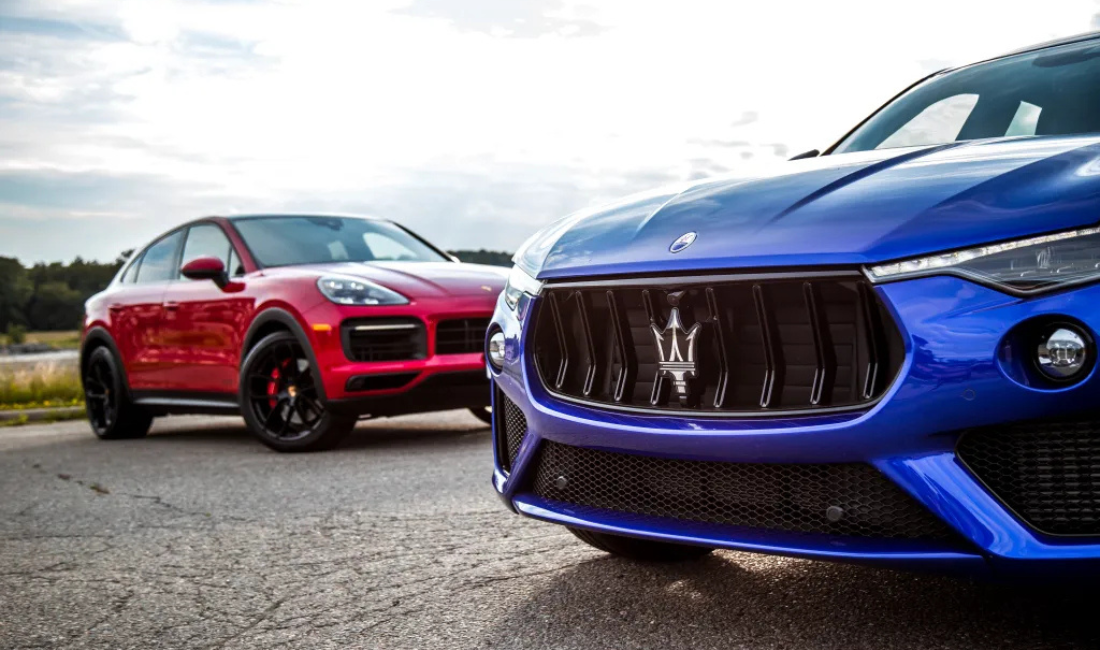
Two names. Two countries. Two completely different philosophies about what a luxury performance car should be. If you are standing at the crossroads between a Porsche and a Maserati, you already know you want something exceptional. What you may not know yet is which one actually fits your life, your wallet, and your driving expectations.
This comparison covers the full picture: real specs, verified ownership costs, depreciation data, and the honest driving differences that most articles skip over. By the end, you will have a clear answer that goes beyond brand preference.
A Brief History
Porsche
Ferdinand Porsche founded the company in Stuttgart in 1931, initially as an engineering consulting firm. The first car to bear the Porsche name, the 356, arrived in 1948 as a rear-engined two-seater built largely from Volkswagen parts. The 911 followed in 1963 and never left production. Porsche entered the SUV market with the Cayenne in 2002, a decision that initially attracted criticism but ultimately saved the company financially and funded the sports car development that made the 911 what it is today.
Porsche went public in 2009 under the Volkswagen Group umbrella and has since expanded into sedans, electric vehicles, and a full luxury lineup. The brand sells roughly 320,000 cars per year globally as of 2024.
Maserati
Alfieri Maserati and his brothers founded Maserati in Bologna in 1914, initially as a racing company. The trident logo, inspired by Neptune’s statue in Bologna’s Piazza Maggiore, has been on every car since. Maserati spent decades changing ownership, passing through Citroën, De Tomaso, Fiat, and eventually Ferrari before landing under the Stellantis umbrella in 2021.
The brand sold just over 11,000 units globally in 2024, down 58% from 2023. That figure matters when you consider parts availability, dealer support, and long-term resale.
Key Generations
Porsche Key Models (Current Lineup)
The 911 (992 generation, 2019–present) anchors the entire brand. The Cayenne entered its third generation in 2023. The Panamera sits in its third generation as of 2024. The Macan transitioned to a fully electric platform in 2024. The 718 lineup covers the Boxster and Cayman.
Maserati Key Models (Current Lineup)
The GranTurismo returned in 2023 in its second generation with a new twin-turbo Nettuno V6 engine and an all-electric Folgore variant. The Ghibli ran through 2024 as a mid-size sedan before being discontinued. The Quattroporte 2024 model year is widely expected to be the last of its current generation before an all-electric replacement. The Levante is the brand’s sole SUV offering.
What Made Each Brand Different
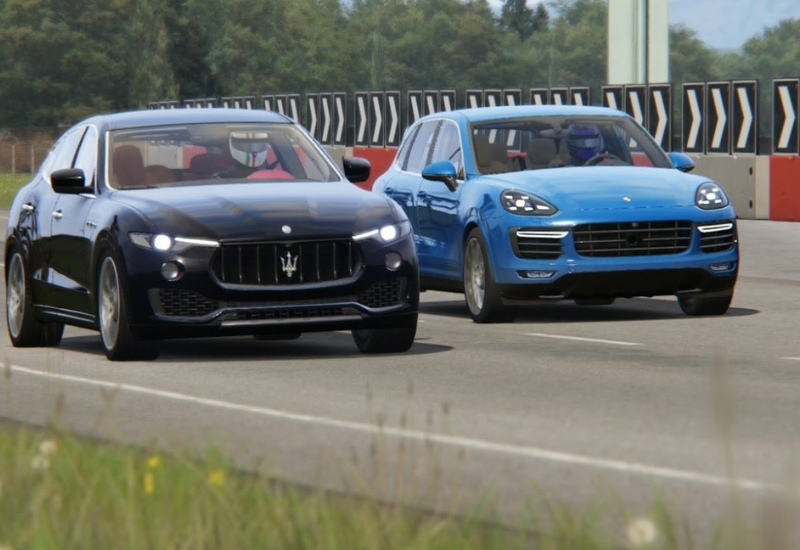
Porsche’s Identity
Porsche builds around engineering precision and driver engagement. The rear-engine layout of the 911 produces handling characteristics that no other car replicates. Every model in the lineup, including the SUVs, carries genuine performance credentials backed by track development. Porsche also runs one of the most successful motorsport programs of any road car manufacturer, with over 30,000 motorsport victories recorded.
The 911 GT3 uses the same basic architecture as the road car but with a 9,000 rpm naturally aspirated flat-six. That connection between road car and race car is intentional and constant.
Maserati’s Identity
Maserati sells emotion. The exhaust note on the Ferrari-developed engines in the Ghibli and Quattroporte is genuinely unlike any competing car at that price point. The styling, particularly on the GranTurismo, reflects Italian coachbuilding traditions. Interiors use hand-stitched leather, Ermenegildo Zegna fabric options, and artisan-level finishing that no German brand matches at equivalent prices.
The GranTurismo Trofeo, with its 542-horsepower twin-turbo V6, hit 60 mph in 3.6 seconds in independent testing. The car feels theatrical in a way that most modern performance cars deliberately avoid.
Specs and Models
Porsche Current Model Specs
| Model | Engine | Horsepower | 0–60 mph | Base Price (2024) |
|---|---|---|---|---|
| 911 Carrera | 3.0L Twin-Turbo Flat-6 | 379 hp | 4.0 sec | $116,050 |
| 911 Carrera S | 3.0L Twin-Turbo Flat-6 | 443 hp | 3.5 sec | $132,950 |
| 911 Carrera GTS | 3.0L Twin-Turbo Flat-6 | 473 hp | 3.3 sec | $152,550 |
| 911 Turbo S | 3.7L Twin-Turbo Flat-6 | 640 hp | 2.6 sec | $230,450 |
| Cayenne Base | 3.0L Turbo V6 | 335 hp | 5.7 sec | $80,850 |
| Cayenne S | 2.9L Twin-Turbo V6 | 434 hp | 4.7 sec | $97,350 |
| Cayenne Turbo E-Hybrid | 4.0L V8 + Electric | 729 hp | 3.5 sec | $146,900 |
| Panamera Base | 2.9L Twin-Turbo V6 | 348 hp | 5.0 sec | $83,800 |
Maserati Current Model Specs
| Model | Engine | Horsepower | 0–60 mph | Base Price (2024) |
|---|---|---|---|---|
| GranTurismo Modena | 3.0L Twin-Turbo V6 (Nettuno) | 483 hp | 3.8 sec | $174,000 |
| GranTurismo Trofeo | 3.0L Twin-Turbo V6 (Nettuno) | 542 hp | 3.6 sec | $252,495 |
| GranTurismo Folgore (EV) | Tri-Motor Electric | 760 hp | 2.7 sec | $237,860 |
| Ghibli Modena Q4 | 3.0L Twin-Turbo V6 | 424 hp | 4.3 sec | $111,195 |
| Quattroporte Modena | 3.0L Twin-Turbo V6 | 424 hp | 4.8 sec | $119,700 |
| Levante GT | 3.0L Twin-Turbo V6 | 345 hp | 5.2 sec | $78,700 |
What It Is Like to Drive
Behind the Wheel of a Porsche
Get into a 911 and the driving position, the pedal placement, the steering weight, all feel calibrated. The flat-six behind the rear axle creates a push at corner exit that takes time to learn but rewards the driver who does. Porsche’s PDK dual-clutch transmission shifts in 80 milliseconds and has no real competitor at this price level.
The Cayenne handles corners with a discipline that embarrasses larger, heavier luxury SUVs. Porsche Torque Vectoring Plus, available on S and Turbo variants, distributes power between rear wheels individually, producing rotation through corners that no other SUV replicates. The Panamera, for a four-door car, delivers 0–60 times under 5 seconds from its base configuration.
Porsche cars do not indulge you. They demand involvement, and they reward it precisely.
Behind the Wheel of a Maserati
Step into a GranTurismo and the experience starts with the exhaust. The Nettuno engine, derived from the same block used in the Ferrari MC20, produces a sound at startup that no competitor matches. The car feels wider, more languid at normal speeds, and more theatrical in every aspect of operation.
Maserati’s Q4 all-wheel-drive system in the Ghibli and Quattroporte models delivers confident traction, but the suspension tuning prioritizes isolation over feedback. Independent testing found the GranTurismo pulled 0.97 g on the skidpad and stopped from 60 mph in 111 feet, trailing its direct competition. The brakes on the Trofeo showed fade during extended hard driving in testing, a real concern for anyone who plans to use the car seriously.
The Maserati experience rewards passengers as much as drivers. As a grand tourer, it delivers.
Owning One Today
Porsche Ownership Costs
Porsche’s average annual repair cost sits at $1,192 according to RepairPal data, though real-world costs run closer to $1,200–$2,000 per year for routine maintenance. Oil changes on the 911 run $300–$400. A full 10-year ownership cost on a Porsche runs approximately $22,075, which exceeds the industry average for luxury brands by around $10,000. The Panamera sits at the top of Porsche’s cost range, with dealer-published four-interval maintenance plans totalling $7,905.
Porsche has 67% more dealerships in the United States than Maserati, which translates directly to faster service appointments and better parts availability. J.D. Power rates Porsche above average in initial quality.
Maserati Ownership Costs
Maserati’s average annual maintenance runs $1,500 per year for the first four years of ownership, roughly twice the $840 industry average for all vehicles. The GranTurismo’s 10-year maintenance cost reaches approximately $21,324. The Ghibli, despite its lower price, actually performs better on this metric at $9,262 over 10 years, slightly below its segment average.
Maserati’s documented reliability complaints include electrical faults, suspension problems, and transmission troubles. J.D. Power’s 2023 Initial Quality Study showed Maserati vehicles with 15 more problems per 100 vehicles compared to Porsche.
For anyone buying out of warranty, factor in $2,000–$3,000 per year for a well-maintained example and considerably more if the service history is incomplete.
Market and Values
Generation and Model Comparison
| Category | Porsche 911 | Maserati GranTurismo | Porsche Cayenne | Maserati Levante |
|---|---|---|---|---|
| Base Price New | $116,050 | $174,000 | $80,850 | $78,700 |
| 5-Year Depreciation | 17–19.5% | 41.9% | 49.5% | 63.4% |
| Reliability Rating | 8.1/10 | 7.7/10 | Higher | Lower |
| Annual Maintenance | $1,072 | $2,132 est. | $1,231 | $1,500+ |
| Dealer Network | Extensive | Limited | Extensive | Limited |
Market Values by Condition
| Model / Year | Excellent | Good | Fair |
|---|---|---|---|
| 2022 Porsche 911 Carrera | $128,000–$135,000 | $118,000–$127,000 | $105,000–$117,000 |
| 2022 Maserati GranTurismo | $79,000–$90,000 | $68,000–$78,000 | $55,000–$67,000 |
| 2022 Porsche Cayenne S | $85,000–$95,000 | $75,000–$84,000 | $65,000–$74,000 |
| 2022 Maserati Levante | $55,000–$65,000 | $45,000–$54,000 | $35,000–$44,000 |
| 2021 Maserati Quattroporte | $65,000–$75,000 | $55,000–$64,000 | $42,000–$54,000 |
| 2021 Porsche Panamera | $88,000–$98,000 | $78,000–$87,000 | $68,000–$77,000 |
Ownership and Maintenance Costs Over 5 Years
| Cost Category | Porsche 911 | Porsche Cayenne | Maserati GranTurismo | Maserati Levante |
|---|---|---|---|---|
| Scheduled Maintenance | $5,000–$8,000 | $6,000–$10,000 | $8,000–$12,000 | $7,500–$11,000 |
| Repairs (Est.) | $1,500–$3,000 | $2,000–$4,000 | $3,000–$7,000 | $3,500–$8,000 |
| Insurance (Annual) | $3,500–$5,000 | $3,000–$4,500 | $4,000–$6,000 | $3,500–$5,500 |
| 5-Year Depreciation | $22,000–$28,000 | $40,000–$55,000 | $70,000–$90,000 | $48,000–$65,000 |
| Total 5-Year Cost | $55,000–$72,000 | $75,000–$100,000 | $120,000–$160,000 | $95,000–$130,000 |
The Maserati Quattroporte topped iSeeCars’ highest depreciation list in 2023, losing 64.5% of value over five years. The Maserati Ghibli lost 64.7% over the same period. The Porsche 911, in the same study, lost just 9.3% over five years, making it one of the best value-retaining cars sold in any segment worldwide. Data from a March 2024 to February 2025 study of over 800,000 used cars confirmed the 911 holds the lowest five-year depreciation rate of any vehicle available.
FAQ
Which is more reliable, Porsche or Maserati?
Porsche consistently outperforms Maserati in reliability data. J.D. Power rates Porsche above average in initial quality with 15 fewer problems per 100 vehicles than Maserati. The Porsche 911 scores 91 out of 100 on J.D. Power’s reliability scale. Maserati’s documented complaints include electrical faults, suspension problems, and transmission issues across multiple model lines. For anyone who wants a car they can drive daily without concern, Porsche is the safer choice by a significant margin.
Does a Maserati hold its value?
Maserati vehicles depreciate aggressively. The Quattroporte and Ghibli both lost over 64% of their value over five years in recent studies. The GranTurismo loses approximately 41.9% over five years. Maserati Levante owners lose up to 63.4% of their new car value by year five. V8 Trofeo versions of the Levante, Ghibli, and Quattroporte have lost up to 72% within three years. If resale value matters to you, a Maserati purchased new represents a significant financial risk.
Is a used Maserati a good buy?
A used Maserati offers compelling value on paper because the depreciation has already happened. A GranTurismo Trofeo that cost $252,000 new can be found for $79,000–$90,000 after two years. The risk lies in ownership costs after the factory warranty expires. Without a warranty, repairs become expensive and unpredictable, and Maserati’s limited dealer network can make service logistics difficult. A used Maserati makes sense only if you budget $2,000–$3,000 per year for maintenance and purchase an extended warranty.
Which is faster, Porsche or Maserati?
At matched price points, Porsche tends to deliver quicker and more consistent performance. The GranTurismo Trofeo hit 60 mph in 3.6 seconds in independent testing but showed inconsistent launch results compared to competitors. The Porsche 911 Turbo S covers the same distance in 2.6 seconds with repeatability. The Cayenne Turbo E-Hybrid hits 60 mph in 3.5 seconds from an SUV body. Track testing also found the GranTurismo’s brakes faded under repeated hard use, where Porsche’s carbon ceramic options remain consistent across sessions.
Which is better for daily driving?
Porsche wins for daily driving. The reliability data, dealer availability, and resale value all favor Porsche for a car used regularly. The 911 covers 18–24 mpg in mixed driving. The Cayenne handles school runs, motorway trips, and spirited weekend driving without complaint. Maserati’s appeal for daily use suffers from higher service visit frequency and the anxiety of owning an out-of-warranty exotic. If you use your car five or more days per week, Porsche’s engineering consistency becomes a practical advantage.
Which should I buy if I want exclusivity?
Maserati sells roughly 11,000 cars globally per year. Porsche sells around 320,000. Pure numbers alone make Maserati the rarer car on any road. The GranTurismo’s styling, Italian leather interiors with Ermenegildo Zegna fabric options, and the operatic exhaust note provide an ownership experience that no German car matches for emotional drama. If you want people to look at your car and feel something, and you accept the ownership complexity that comes with Italian exotica, Maserati delivers a genuinely unique experience that Porsche does not attempt to replicate.
Conclusion
Porsche vs Maserati comes down to what you actually want from the ownership experience.
Buy a Porsche if you want a car that works every day, holds its value, has a dealer nearby, and rewards you with precision driving. The 911 loses less value over five years than virtually any other car on the market. The Cayenne and Panamera deliver genuine performance inside practical shapes. Porsche charges more upfront but costs less to live with over time, both in maintenance and in depreciation.
Buy a Maserati if you want drama, exclusivity, and an Italian character that German engineering deliberately avoids. The GranTurismo’s engine sound, the hand-finished interiors, and the rarity on public roads deliver something Porsche does not try to offer. Accept the depreciation as the price of that experience. Buy used, after the value has already dropped, and budget for ownership costs seriously.
For most buyers who want a performance car they can rely on and sell without financial regret, Porsche is the correct answer. For buyers who want a statement, and can absorb the costs, Maserati offers something money can buy but discipline cannot fully describe.