

Lexus IS250 Common Problems Explained

The Lexus IS250 built a reputation as one of the most dependable entry luxury sedans of its era, but no car is perfect. Owners report a handful of recurring issues that show up consistently across high-mileage examples, and knowing what to expect before you buy can save you real money. This guide breaks down what actually goes wrong, how much it costs to fix, and whether the IS250 still makes sense today.
If you are cross-shopping against German rivals, the reliability gap is one of the biggest reasons people land on Lexus in the first place. We cover that comparison in more detail in our Lexus vs BMW reliability breakdown, and the broader question of whether Lexus reliability justifies the price tag in this piece on Lexus value.
A Brief History
Lexus launched the IS250 in 2006 as part of the second-generation IS lineup, positioning it below the IS350 as the entry point into the brand’s compact sport sedan range. The car used a 2.5-liter V6 and was offered with Rear Wheel Drive or Lexus’s AWD system. Production of this generation ran through 2013, after which Lexus moved to the IS200t and IS300 naming for the third generation cars.
The IS250 competed directly against the BMW 3 Series, Audi A4, and Mercedes C-Class, all known for sharper handling but higher long-term ownership costs. Lexus built its case around bulletproof drivetrains and lower maintenance bills, a strategy that paid off in resale value and owner loyalty. Many of these cars are still on the road today with well over 150,000 miles on the original engine and transmission.
Key Generations
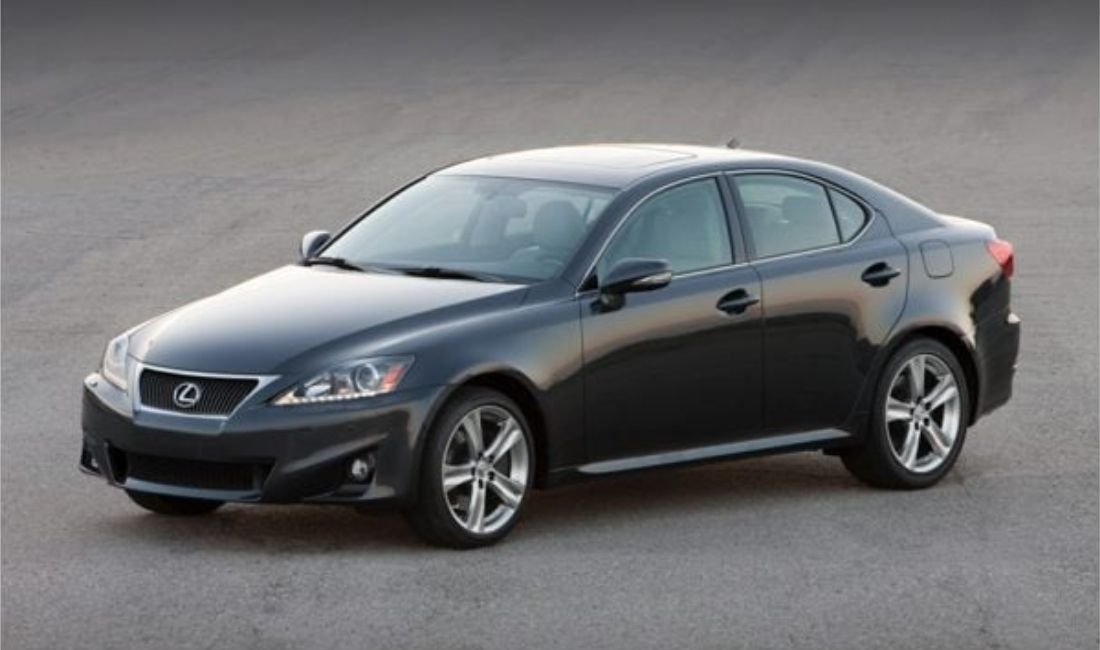
The second-generation IS250, sold from 2006 to 2013, is the only generation that carried the 250 badge in any meaningful volume. Lexus made a mid-cycle refresh in 2011 that updated the front and rear styling, revised the interior trim, and added minor suspension tweaks. Mechanically, the 4GR-FSE 2.5-liter V6 and Aisin six-speed automatic stayed consistent across the entire run.
Earlier first-generation IS300 models from 2001 to 2005 are sometimes confused with the IS250, but use a completely different platform and engine. The 2006-2013 second generation is what most people mean when discussing Lexus IS250 common problems, since it represents nearly the entire production run of the nameplate.
What Made It Different
The IS250 stood out for pairing genuine Rear Wheel Drive dynamics with Toyota-level reliability, something none of its German competitors could match at the time. The 4GR-FSE engine used direct injection, a relatively new technology for Lexus in 2006, which gave it better fuel economy than the outgoing 3.0-liter unit. Inside, the cabin used soft-touch materials and a layout clearly borrowed from the larger GS sedan, giving it a more substantial feel than its compact size suggested.
Lexus also offered a six-speed manual transmission on Rear Wheel Drive models for the first two model years, a rare move for the brand. That manual option disappeared after 2008 due to low take rates, making early manual cars somewhat sought after now among enthusiasts. The AWD version added real-world usability in winter climates without sacrificing much in the way of efficiency.
Specs and Models
| Spec | Detail |
| Engine | 2.5L 4GR-FSE V6 |
| Horsepower | 204 hp |
| Torque | 187 lb-ft |
| Transmission | 6-speed automatic (Aisin) or 6-speed manual (2006-2008, RWD only) |
| Drivetrain | RWD or AWD |
| 0-60 mph | Approximately 7.7 seconds (RWD automatic) |
| Fuel Economy | 21 city / 30 highway mpg (RWD automatic) |
| Curb Weight | Approximately 3,500 lbs (RWD) |
| Production Years | 2006-2013 |
Generation Comparison
| Generation | Years | Notable Changes |
| Pre-facelift | 2006-2010 | Original styling, manual available through 2008, analog gauges |
| Facelift | 2011-2013 | Revised front/rear fascia, updated interior trim, refined suspension tuning |
Lexus IS250 Common Problems
Owners consistently point to a small number of recurring issues with this generation. Most are manageable with proper maintenance, but they are worth knowing before you buy or as your car ages.
- Oil consumption: Some 4GR-FSE engines burn oil faster than normal between changes, particularly past 100,000 miles. Regular level checks between oil changes prevent low oil damage.
- Carbon buildup on intake valves: Direct injection engines like this one do not get fuel washing the valves, leading to carbon deposits over time. This can cause rough idle and reduced power, typically needing a walnut blasting service around 60,000 to 80,000 miles.
- VVT-i actuator noise: A rattling or ticking sound on cold start is commonly tied to the variable valve timing actuators or oil control valves. It is often more annoying than damaging, but it should be checked if persistent.
- Steering wheel vibration at speed: Some owners report a vibration through the wheel at highway speeds, often traced to tire balance, worn control arm bushings, or warped rotors. We cover the broader diagnosis process for this kind of issue in our guide on why cars vibrate at high speed.
- AC system smells or burning odors: A musty AC smell or a burning odor after driving can point to a clogged cabin filter, evaporator issues, or, in rarer cases, an electrical or brake smell that needs immediate attention. Our article on why your car smells like burning after driving walks through how to tell these apart.
- Air conditioning refrigerant leaks: Aging O-rings and hose fittings can lead to slow refrigerant loss over the years. If you are recharging the system yourself, our guide on adding freon to your car explains what to expect.
None of these issues is catastrophic, and the core engine and transmission have a strong track record for longevity well past 150,000 miles.
What It Is Like to Drive
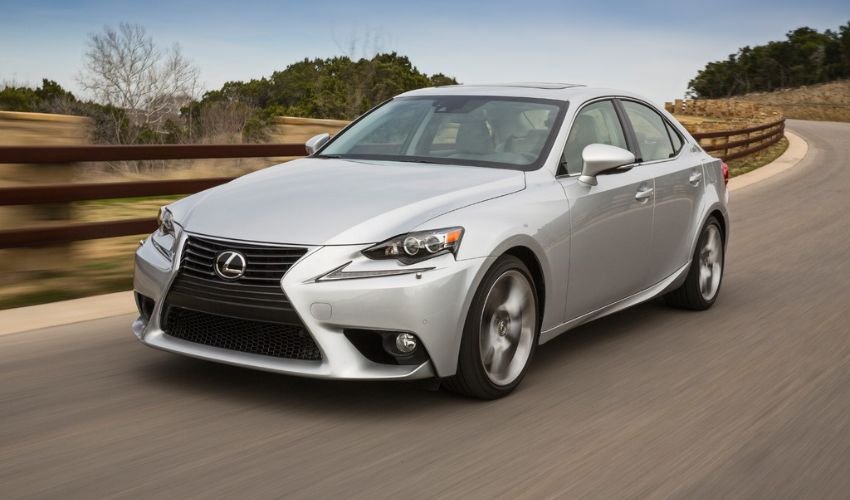
The IS250 feels tight and responsive in a way that most modern entry luxury sedans have moved away from in favor of softer, isolated rides. Steering is light but accurate, and the Rear Wheel Drive chassis rewards smooth inputs with predictable, balanced handling. The 2.5-liter V6 is not particularly fast, but it pulls smoothly and sounds genuinely good at higher RPMs.
Inside, the cabin feels closer to a 2008 GS than a typical compact sedan, with solid switchgear and a driving position that puts you low and connected to the road. Road noise is more present than in newer Lexus models, a tradeoff for the more engaging chassis tuning. For a daily driver that still feels like a proper sports sedan, the IS250 holds up well over a decade later.
Owning One Today
Ownership and Maintenance Costs
| Item | Typical Cost Range |
| Oil change | $60 – $120 |
| Spark plugs (full set) | $200 – $400 |
| Brake pads and rotors (per axle) | $250 – $500 |
| Timing belt/chain service | Chain-driven, no replacement interval |
| Carbon cleaning (intake valves) | $300 – $600 |
| AC recharge/repair | $150 – $500 |
| Annual maintenance average | $500 – $800 |
Routine maintenance on the IS250 costs close to what a Toyota Camry V6 owner would pay, which is a major reason the model has stayed popular on the used market. Parts availability is excellent thanks to shared components with other Toyota and Lexus models from the same era. If you are working on the car yourself or hiring outside help, checking reviews for independent shops through resources like this RA Mechanic review can help you find someone familiar with Lexus platforms.
Market and Values
| Condition | Approximate Value (2024-2025) |
| High mileage (150k+), needs work | $4,000 – $7,000 |
| Average condition, 100k-150k miles | $7,000 – $10,000 |
| Clean, lower mileage (under 100k) | $10,000 – $14,000 |
| Manual transmission, low mileage | $14,000 – $18,000+ |
Manual transmission cars from 2006-2008 command a real premium due to scarcity, sometimes outpricing automatic cars with half the mileage. AWD versions tend to sell for slightly less than RWD equivalents in most markets outside the snow belt, where the premium flips. Overall depreciation has flattened out significantly, meaning a well-kept IS250 today is unlikely to lose much more value over the next several years.
FAQ
Is the Lexus IS250 reliable long-term?
Yes, the 4GR-FSE engine and Aisin transmission have a strong reputation for reaching 200,000 miles or more with standard maintenance. Most reported problems are minor and inexpensive compared to German competitors from the same era. Oil consumption and carbon buildup are the main items to monitor, both manageable with routine care.
What is the most common Lexus IS250 problem?
Carbon buildup on the intake valves is the most frequently reported issue, a known characteristic of direct injection engines without port injection backup. It typically shows up as a rough idle or slight power loss after 60,000 to 80,000 miles. A walnut blasting service resolves it and is considered routine maintenance by most experienced owners.
Is the IS250 fast enough to feel sporty?
The IS250 is not quick by modern standards, with a 0-60 time around 7.7 seconds, but it feels engaging due to its Rear Wheel Drive balance and responsive steering. Enthusiasts often find the manual transmission version, sold from 2006 to 2008, more satisfying despite the modest power output. For most daily driving, the power feels adequate, and the handling makes up the difference.
Should I buy RWD or AWD?
RWD offers sharper handling and slightly better fuel economy, while AWD adds confidence in snow and rain at a small efficiency cost. If you live somewhere with real winters, AWD is worth the tradeoff. Resale values are close between the two, so the decision should come down to your climate and driving preferences.
How does the IS250 compare to the BMW 328i of the same era?
The IS250 generally costs less to maintain and has fewer electrical gremlins than the contemporary BMW 328i, though the BMW offers a noticeably sportier driving experience. Our full comparison in the Lexus vs BMW reliability guide breaks down specific failure points for both. For buyers prioritizing low ownership stress, the Lexus has a clear edge.
Is the IS250 a good first luxury car?
Yes, the combination of low running costs, strong parts availability, and a forgiving rear wheel drive chassis makes it a solid entry point into the luxury segment. Insurance costs also tend to run lower than comparable German sedans. New owners should budget for the carbon cleaning service as a known maintenance item rather than a surprise repair.
Conclusion
The Lexus IS250 remains one of the smartest used luxury sedan buys from its era, backed by a drivetrain that simply does not quit and maintenance costs that stay reasonable year after year. The known issues, carbon buildup, occasional oil consumption, and aging AC components, are well-documented and affordable to address. For anyone wanting a rear wheel drive sport sedan that will not bleed money, the IS250 still holds up as a smart choice on today’s used market.